Film hardness testing method: pendulum hardness, pencil hardness, etc
Film performance testing is one of the key steps in evaluating film mass and suitability. In film performance testing, hardness is an important indicator, which reflects the mechanical strength of the film and its ability to resist deformation. The hardness of the film has a direct impact on its performance such as scratch resistance, anti-wear loss of light. This article will introduce common methods of film hardness testing, including Pendulum damping hardness testing method, Swart hardness method, Kleiman hardness method, pencil hardness method and Buchholz hardness method, and discuss its principle and application.
1. Swing rod hardness measurement
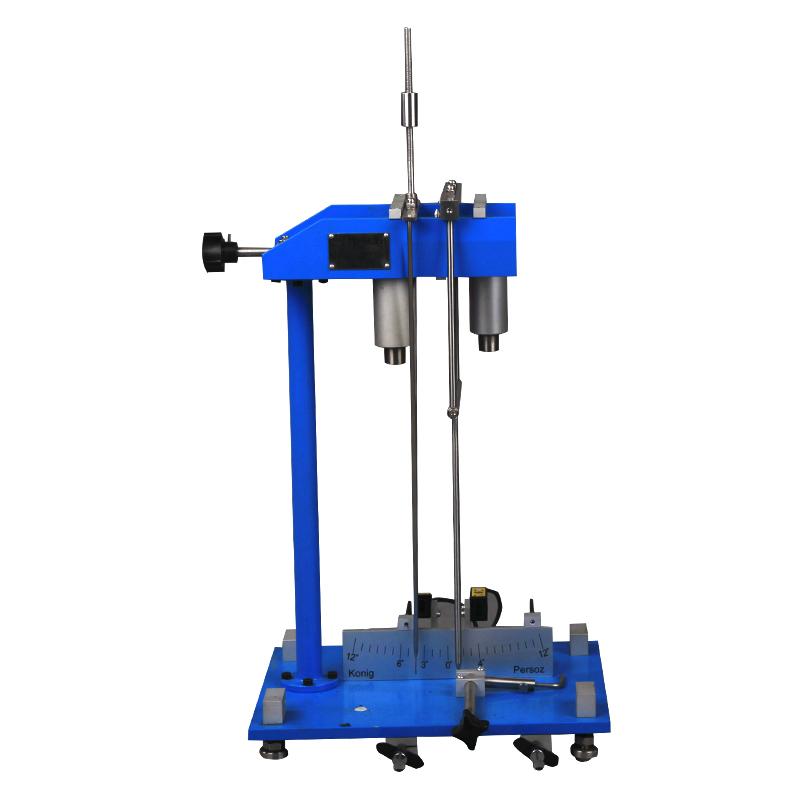
Swing rod hardness testing is a commonly used film hardness testing method. Its principle is to evaluate the hardness of the film by contacting a swinging swing rod with a film and measuring the attenuation of the swinging rod. Swing rod hardness testing methods include Koenig pendulum and Persaz pendulum.
In the Koenig pendulum test, the pendulum swings in a certain period, and the softer the film, the faster the swing of the pendulum decays. Before the test, the damping time of the pendulum needs to be adjusted according to the standard to ensure the accuracy of the test. In the Persaz pendulum test, the damping time of the pendulum also needs to be corrected to ensure the Reliability of the test results. The advantage of the pendulum hardness testing method is that the operation is relatively simple and the results are stable and reliable, so it is widely used in film mass evaluation.
2. Pencil hardness measurement
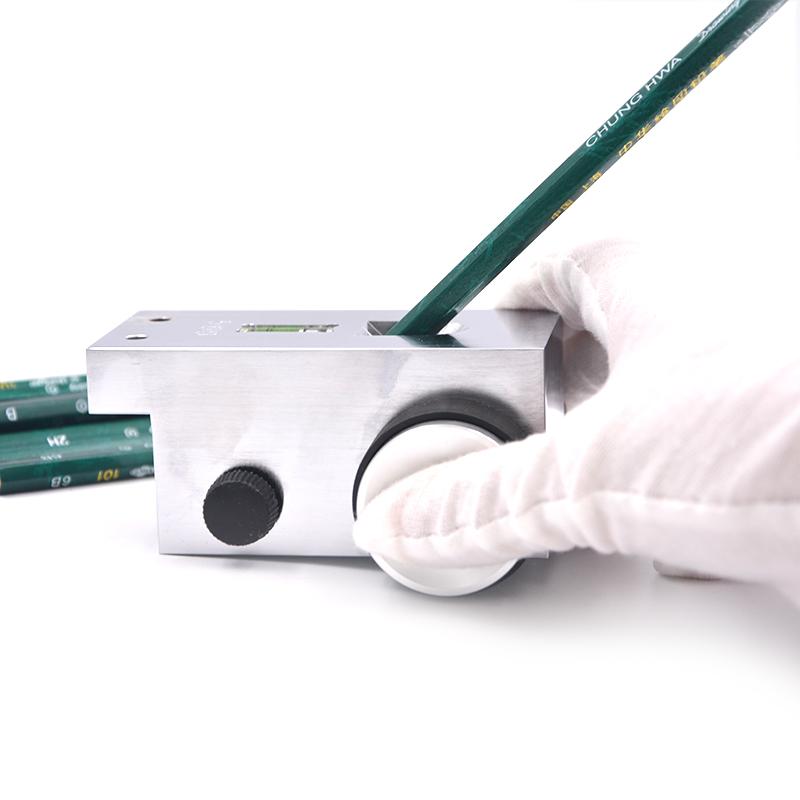
Pencil hardness measurement is another commonly used film hardness testing method. The principle is to use the sharp edge of the end face of a pencil lead with known hardness to scratch the film at a certain angle, and evaluate the hardness of the film by observing whether the film is scratched. In the test, pencil hardness represents the hardest pencil hardness that cannot scratch film.
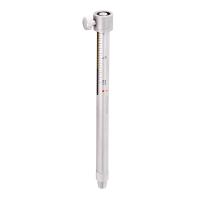
When operating manually, the difference in force may lead to a large deviation in the test results. In order to reduce the error, a special pencil Tester can be used for testing. Unlike the swing rod hardness testing method, pencil hardness testing involves pressure and shear forces, which are different from the damping effect of the swing, so there is no direct conversion relationship between the two.
3. Miscellaneous hardness determination method
In addition to pendulum hardness and pencil hardness, there are some Miscellaneous hardness determination methods, such as Swarth hardness, Kleiman hardness and Buchholz hardness.
Swat hardness: Swat hardness is the number of times the metal ring swings back and forth on the film to measure the hardness of the film. Although its sensitivity is low, the Test speed is fast and is usually used for rough hardness determination of the film.
Kleiman hardness: Kleiman hardness is a scratch test method that evaluates the hardness of the film by scratching it under a certain load and observing whether it is scratched. This method is suitable for judging the scratch performance of the film.
Buchholz hardness: Buchholz hardness is a jade mark test, mainly suitable for hardness determination of hard films.
Importance of film hardness
Film hardness is one of the important indicators for evaluating film mass and applicability. Films need to have a certain hardness to protect the substrate from scratches and abrasions. If the film hardness is insufficient, scratches and abrasions will easily occur during use, reducing the life and Appearance mass of the film. In addition, the hardness of the film is also closely related to other performances, such as chemical corrosion performance, weathering resistance, etc.
Summarize
Film hardness testing is an important part of film performance evaluation. Common test methods include pendulum hardness, pencil hardness, Swat hardness, Kleiman hardness and Buchholz hardness. Each test method has its own unique principle and scope of application. Selecting the appropriate test method for film hardness evaluation according to specific needs helps to ensure that the mass and performance of the film meet the expected requirements.
- 1Paints and varnishes Pendulum damping test method under ISO 1522
- 2GB/T1730 Interpretation of Koenig and Persaz pendulum damping test
- 3Swing bar hardness testing: a method for evaluating film hardness
- 4Pendulum damping test method for the determination of film hardness
- 5ISO 15184 Pencil method to measure the hardness of paint film
- 6Analysis of hardness measurement by ASTM D3363 pencil method
- 7How much do you know about the difference between Konig pendulum and Persoz pendulum of Pendula Hardness Tester?
- 8Pendula Hardness Tester calibrating steps
- 9Pencil Hardness Tester test procedure, application and different Hardness Pencil introduction