Determination of pigment heat resistance and its application
The heat resistance of pigments is one of their stable properties in high temperature environments, and is of great significance to the application and selection of various pigments. This article will introduce a common pigment heat resistance measurement method - the pigment dry powder heat resistance measurement method. This method uses the reaction of the pigment at a certain temperature to evaluate the heat resistance of the pigment with the help of color and light differences.
1. Scope and description
The method for measuring the heat resistance of pigment dry powder is to evaluate the heat resistance of the pigment by comparing the color difference with the original color by processing the pigment at a certain temperature, expressed as C. This method provides an objective standard for the evaluation of various types of pigments.
2. Instruments and materials
Balance: sensitivity 0.01g.
Electric heating blast box: sensitivity ±0.1°C.
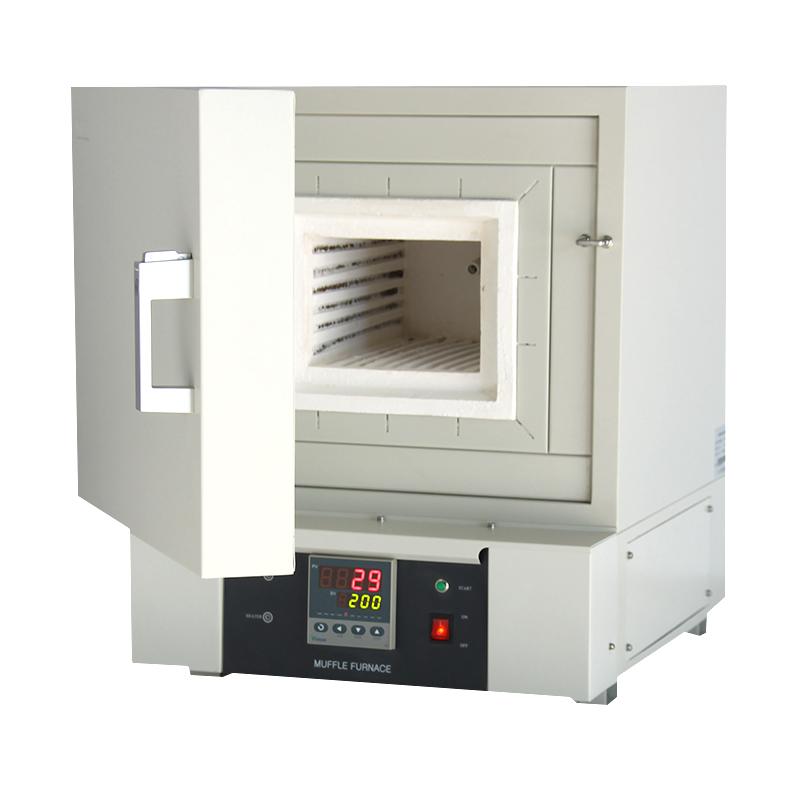
Box type resistance furnace.
Automatic grinding machine (flat grinding machine).
Paint Film Applicator: wet film thickness 100μm.
The adjusting knife is made of medium carbon steel or spring steel.
Syringe: Capacity 1mL.
Crucible: capacity 30mL.
Pictorial printing paper: in line with QB 2249-1996.
Ink-adjusting oil (made from pure linseed oil): viscosity 2600~2800mPa·s (25°C).
3. Measurement method
Heat-resistant sample Adjust the oven or box-shaped resistance furnace to the required temperature. The test temperature is one level at 200°C, and every 50°C interval above 200°C is one level.
Quickly put the crucible containing 2.5g of the sample into an oven or box-shaped resistance furnace. After reaching the specified heat-resistant temperature, calculate the time. After half an hour, take it out and place it in a desiccator. Cool to room temperature to obtain a heat-resistant sample.
For pulping, the prepared heat-resistant sample and the original color paste without heat resistance were taken respectively. Depending on the type of sample, the amount of weighed sample and ink-adjusting oil will be adjusted.
Make paint film. Use a spatula to pick a small amount of the heat-resistant sample and the original color paste that has not been heat-resistant, and apply it on the graphic newspaper. The parallel distance between the two color pastes is 15mm. Use a paint Film Applicator to scrape the paint film strips. With the ink, immediately observe the color change of the ink under scattered sunlight or standard light source.
4. Result expression
If the color of the pigment does not change much during the entire experiment, the temperature it rises to is the heat-resistant temperature of the pigment.
5. Reference standards
This experiment was conducted in accordance with the national standard GB 1716-79 "Method for determination of heat resistance of dry pigment powder", ensuring the scientificity and comparability of the experiment.
By measuring the heat resistance of pigment dry powder, we can comprehensively understand the performance of pigments under high temperature conditions, which provides an important reference for the application of pigments. The standardized and scientific nature of this method makes it widely used in the pigment industry.