Comprehensive analysis of luminance meters: a practical guide from principle to selection
1. The core definition and working principle of the luminance meter
A photometer is a precision instrument that measures the brightness of a light source or reflective surface through photoelectric conversion technology, and its core function is to convert light signals into quantifiable data, typically expressed in Candela per square meter (cd/m²). This type of equipment is designed based on the visual characteristics of the human eye, focusing the light in the target area through an optical lens, using a photoDetector (such as a silicon photocell) to convert the light signal into an electrical signal, and correcting the spectral deviation through a built-in algorithm to ensure that the measurement results are highly consistent with the human eye's perception.
From the perspective of technical structure, the photometer is mainly composed of three core components: the optical system is responsible for collecting light in a specific area and limiting the measurement range; The photoDetector converts the received light intensity into an electrical signal; The signal processor amplifies, filters, and digitizes the electrical signal, and finally outputs the brightness value and derived parameters. Modern luminance meters often incorporate the CIE V(λ) standard spectral response correction system, which can accurately match the sensitivity of the human eye to different wavelengths of light, thereby eliminating measurement errors. According to the differences in usage scenarios, the equipment can be divided into three categories: portable (on-site rapid testing), desktop (high-precision laboratory analysis) and online (automated production line integration).
2. The five core application fields of the luminance meter
1. Display technology detection
In consumer electronics, photometers are used to evaluate the peak brightness, uniformity, and HDR effects of screens, such as local dimming area contrast verification of Mini-LED backlit screens and pixel-level luminescence attenuation analysis of OLED panels.
2. Architectural and urban lighting design
Architects optimize indoor lighting layouts with luminance meters to avoid glare and shadows; Urban planners measure the brightness distribution of street lights and billboards to balance aesthetics with energy-saving needs.
3. Scientific research and industrial quality control
It is used in the laboratory to study the attenuation law or biofluorescence characteristics of luminescent materials; The production line controls the defective product rate to a very low level by testing the brightness consistency of LED lamp beads online.
4. Film and television and stage lighting engineering
assist technicians to accurately control the intensity of the spotlight to achieve dynamic light and shadow effects; The traffic management department regularly checks the brightness of tunnel lighting to ensure driving safety.
5. Special environmental monitoring
It includes customized scenario applications such as astronomical sky background brightness research and industrial high-temperature area lighting evaluation.
3. Four key elements of scientific selection
1. Range and accuracy matching
Choose the appropriate measurement range according to the application scenario: ordinary indoor detection (0.1~10,000 cd/m²) and high-brightness application (million-level cd/m²) need to be differentiated, and the accuracy is recommended to be controlled within ±1%.
2. Spectral response standards
Prioritize CIE V(λ)-compliant devices to ensure consistent measurements with realistic visual perceptions, especially crucial for color-sensitive scenarios such as artwork lighting.
3. Functional expansion needs
The basic model provides a single brightness value, while the high-end model can simultaneously output parameters such as color temperature, color rendering index (CRI), and strobe frequency, supporting multi-dimensional light environment analysis.
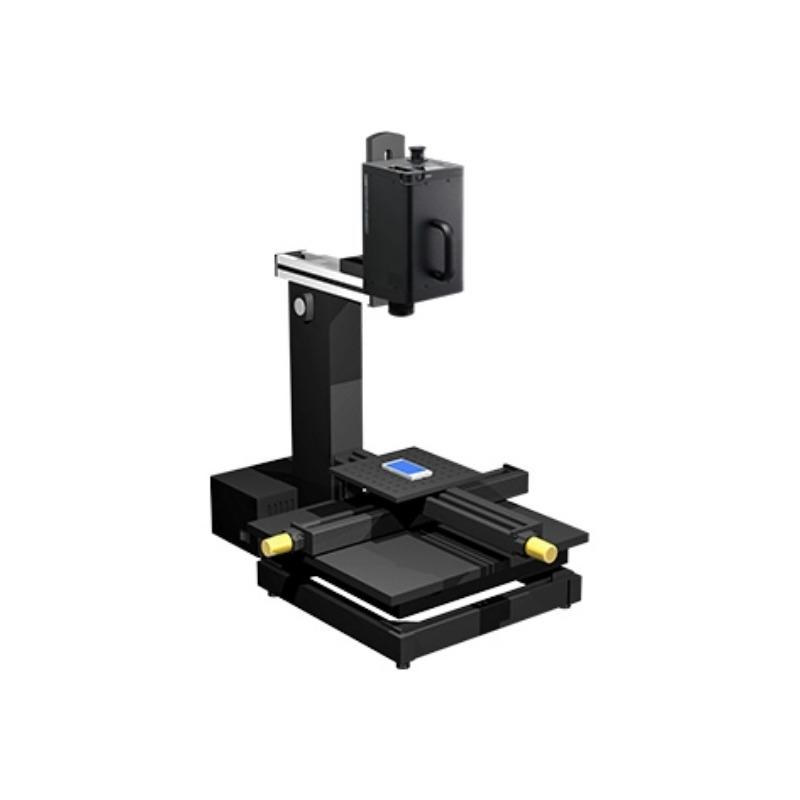
Industrial scenarios need to consider dust and water resistance (IP65 rating) and high temperature resistance, and portable devices should take into account both lightweight body and long battery life.
4. Typical scenario selection strategy
• Consumer electronics inspection: Recommended small optical barrel probes (10mm diameter) with high dynamic range (1~100,000 cd/m²) models to support color temperature and strobe analysis.
• Road Lighting Evaluation: Focuses on data storage capabilities, facilitating batch recording of multi-street light brightness parameters.
• Laboratory Research: Focus on linearity and repeatability indicators, and regular calibration with standard light sources is recommended.
• Film and TV lighting debugging: Choose a model with fast dynamic response to capture instantaneous changes in light and shadow.
5. Future technology development trends
With the spread of new display technologies such as Micro-LED, photometers are moving towards a higher dynamic range (1,000,000:1 contrast detection) and a smaller measurement area (micron-level resolution). Some devices have integrated AI algorithms to automatically identify light decay areas and predict device life, promoting intelligent upgrading of detection technology.