Water-based paint film test, Cupping test machine is more practical to choose manual or electric
Anyone involved in water-based paint production and quality inspection knows that the cup protrusion test is a must-measure for paint films, mainly used to assess its flexibility, adhesion, and crack resistance. Whether the paint film peels or cracks during later stamping, bending, or deformation of the workpiece is basically determined by cup protrusion data. Currently, there are only two types of cup protrusion testing machines on the market: manual and electric. Many factories are unsure when selecting models and don't know which type of water-based paint is most suitable. In fact, there is no absolute right or wrong between the two devices; it mainly depends on the factory's testing frequency, data accuracy requirements, and usage scenarios.
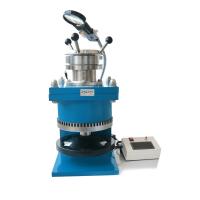
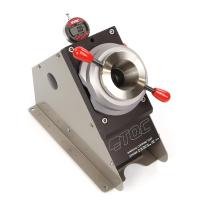
Let's start with the manual cup protrusion tester, which is the most basic and versatile model. The equipment structure is very simple, purely mechanical, requires no power connection, is easy to place, inexpensive, and basically requires no maintenance afterward. During testing, clamp the sample with the water-based paint tightly, manually turn the hand wheel to slowly push the spherical punch at the bottom, and visually observe the surface. If cracks or peeling appear on the paint film, stop hand-shaking immediately, and read the depth value—this is the corresponding cup bump result.

This manual model is especially suitable for small factories, workshops, daily inspections, and occasional batch spot checks. If the test volume is small and you only want to briefly judge the quality of the paint film and troubleshoot abnormalities, manual models are more than sufficient and offer great value for money. But its drawbacks are obvious: it's all manual, and the speed of hand crank is uneven, relying entirely on feel. The national standard requires pressure to be applied at a constant speed; unstable speed can lead to large data fluctuations and poor repeatability. Moreover, during testing, you need to shake the paint while watching for cracks, which can easily cause beginners to miss the crack threshold, resulting in readings that are either too high or inaccurate, making them unsuitable for precise data comparison and R&D sample retention.
The electric cup protrusion tester is specifically designed to solve the drawbacks of manual models, and is now the mainstream choice for formal coating factories, laboratories, and third-party testing agencies. The electric version relies on a motor to drive the punch at a constant speed, maintaining a constant speed throughout the process and fully meeting the national standard test speed, with no sudden changes in speed. After clamping the sample, press the start button, and the equipment automatically presses at a constant speed. If the paint cracks occur, the machine will automatically stop and lock the data, eliminating the need for manual monitoring and avoiding errors caused by manual operation.
For water-based paints, the electric motor model has even more obvious advantages. Water-based paint films are generally thinner and tougher; even slight fluctuations in pressure speed can affect cracking results. The unstable speed of manual testing can easily cause large differences in data from the same batch of samples, making it impossible to benchmark the process. Motor model data is stable and highly repeatable, meeting requirements whether it's new product formula debugging, process parameter adjustments, batch factory sample testing, or issuing formal test reports. Moreover, the equipment comes with built-in lighting and magnified observation windows, allowing even the slightest paint cracks to be clearly visible, making the results more accurate.
Choosing models based on actual usage scenarios is very logical. If you are a small processing plant with low testing frequency and only perform simple screening, with no strict requirements for data accuracy or repeatability, choosing a manual cup ejection machine is the most cost-effective, cost-effective, and low-failure rate. If the manufacturer is a legitimate mass production manufacturer, has a R&D lab, and requires long-term process optimization, batch benchmarking, and external testing data, then the electric model must be used. Although procurement costs are higher, stable data and compliance with standards effectively prevent process misjudgments and quality disputes caused by testing errors.
In summary, for measuring the cup-bump performance of water-based paint films, select manual models for minor spot checks and routine screening; Conduct precise inspection, process development, and normalized quality control, prioritizing motor models. Matching equipment according to your own production needs can control costs while ensuring the authenticity and reliability of paint film inspection results.

- 1Cupping test machine for water-based paint film flexibility
- 2Cupping test for measurement of ductility of Water-based ink coatings
- 3Cupping test of plastic coatings and films Impact ductility
- 4Cupping test machine testing metal coil coating processing forming performance
- 5Cupping test machine to evaluate deformation resistance of automotive steel coatings
- 6Failure analysis of galvanized sheet stamping by cupping testing machine
陈思琪,王雷刚,黄瑶 - 《《基于杯突试验的镀锌板冲压成形失效分析》》
- 7Paint film flexibility bending test, which of these 5 instruments is more suitable?
- 8Cupping Testing Machine Test Coating Cupping Test
- 9Operation method and precautions of cupping instrument