Three Factors That Affect Hygrometer Readings
Professionals rely on the precise measurements of their tools to get the job done right. Inaccurate measurements can lead to errors, delay productivity and create waste.
For example, flooring contractors need to accurately measure the moisture content of floors and the building materials they are used with to ensure that the floors they install are free from issues such as cupping, warping, or warping.
While pin and pinless Moisture Meters are a great way to measure moisture in wood and other building materials, it's important to know what factors can affect moisture readings, and how. This way, you can take these effects into account, so you can get good information about the moisture content of building materials.
So, what are the factors that affect Moisture Meter readings, and what can you do about them? Here's a short list:
1: Type of material to be tested
One of the biggest factors that can change the results of a Moisture Meter reading is the type of material being tested. If your Moisture Meter isn't calibrated for the material you're testing, it won't be able to return accurate results without some sort of reading adjustment.
Why? Because different materials, even similar materials, such as two different types of wood, have different physical properties. These physical properties affect the readings of pin and pinless Moisture Meters in different ways, requiring adjustment of the readings.
This is one reason why many contractors use hygrometer units that have a special feature called built-in species correction. Using a hygrometer with this feature, you can program a specific type of material before you start taking measurements and get accurate measurements.
2: The temperature of the material
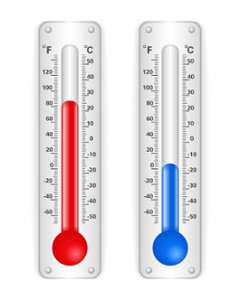 If you are using a pin hygrometer, the temperature of the material will affect the accuracy of the reading.
Why?
A pin meter works on the principle of resistance, passing a small current between two pins and measuring the resistance to the current. Drier objects have greater resistance, resulting in lower % MC readings, while wet objects have less resistance, resulting in higher % MC readings.
However, wood temperature affects moisture readings in a similar manner to moisture content. When wood is heated, the wood fibers "relax" allowing electricity to pass through more easily (low resistance). This can artificially increase the %MC reading given by the hygrometer. The reverse is also true, which means low temperatures can cause false low moisture readings.
On the other hand, needleless gauges are only minimally affected by the temperature of the object being scanned because they do not use resistance to obtain a reading. Therefore, temperature should not affect the reading unless the wood being scanned is frozen solid.
3: Condition of the Moisture Meter
Another common factor that can reduce the accuracy of moisture content readings is the conditions under which the Moisture Meter is used to test the material.
Broken or damaged pins, scan boards, or damaged electronics can invalidate the readings. Low battery power can also affect the accuracy of the readings.
That's why check your Moisture Meter regularly for signs of damage, such as missing or broken pins, scratches on the scan plate of a needleless meter, or damage to the meter case.
If your meter has one, you can use its built-in calibration check feature to verify the meter's electrical calibration. Or test calibration with a separate Moisture Content Standard (MCS) tool.
By checking the meter for accuracy before starting work, you can ensure great results for moisture content readings.

- 1Three common problems with Moisture Meters
- 2How to tell if the hygrometer is calibrated?
- 35 Tips for Measuring Cotton Moisture
- 4How can hygrometers help with property damage insurance claims?
- 5How to choose a good hygrometer electrode for repair work?
- 6Hygrometer electrodes make your life easier
- 7How do I locate a leak with a Delmhorst needle-free Moisture Meter?
- 8How to use a total hygrometer to save time and cost?