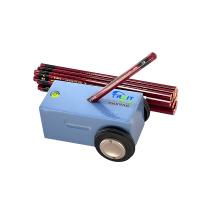
Evaluating film Hardness with pencil Hardness test requirements
Paint hardness is the result of a chemical reaction between the paint and the substrate it adheres to. Coatings need to be hard enough to protect the surface they coat from abrasive media. The thickness of the paint, the type of paint, the nature of the substrate, and the surrounding temperature and humidity all play a role in affecting the hardness of the paint. Applied Technical Services performs paint hardness testing to help customers determine the effectiveness of their coatings.
The paint hardness test can be used to rate its resilience to scratching, polishing, scraping, gouging, rubbing and other external abrasive forces. Companies need to know the hardness of their coating to determine if it is suitable for their intended application. ATS' Environmental Testing Laboratory has the necessary tools and techniques to help businesses accurately assess coating hardness. Our testing services provide clear data with quick and concise results.

Pencil Hardness Test
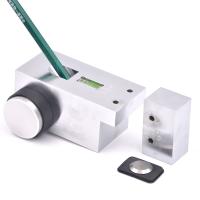
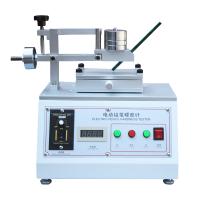
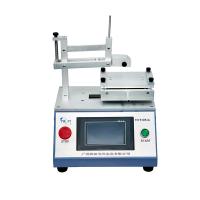
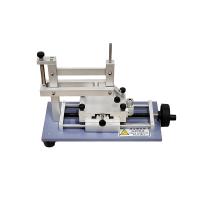
Pencil hardness testing is one of the main popular testing methods in the coatings industry. The procedure consists of making marks on the coated board at a 45-degree angle using pencils of increasing hardness until one is identified that will not damage the coating.
ASTM D3363
ISO 15184
Determining gouging and/or scratch (mar) hardness
fast results
- 1Film hardness testing method: pendulum hardness, pencil hardness, etc
- 2ISO 15184 Pencil method to measure the hardness of paint film
- 3Analysis of hardness measurement by ASTM D3363 pencil method
- 4Pencil Hardness Tester test procedure, application and different Hardness Pencil introduction
- 5Pencil hardness testing of film
- 6Ceramic Coated Pencil Hardness Test
- 7Relevant standards for pencil Hardness Testers
- 8What is a pencil hardness test?
- 9What performance subjects are tested for water-based floor coating materials and how do they meet the standards?