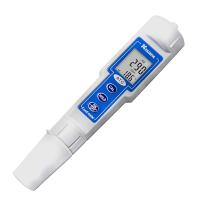
Selection method of laboratory conductivity meter
Laboratory conductivity meter is an instrument for measuring the conductivity of electrolyte solution, which is widely used in chemical, biological, pharmaceutical and other fields. The following is a detailed introduction to the key points and precautions for the selection of laboratory conductivity meters:
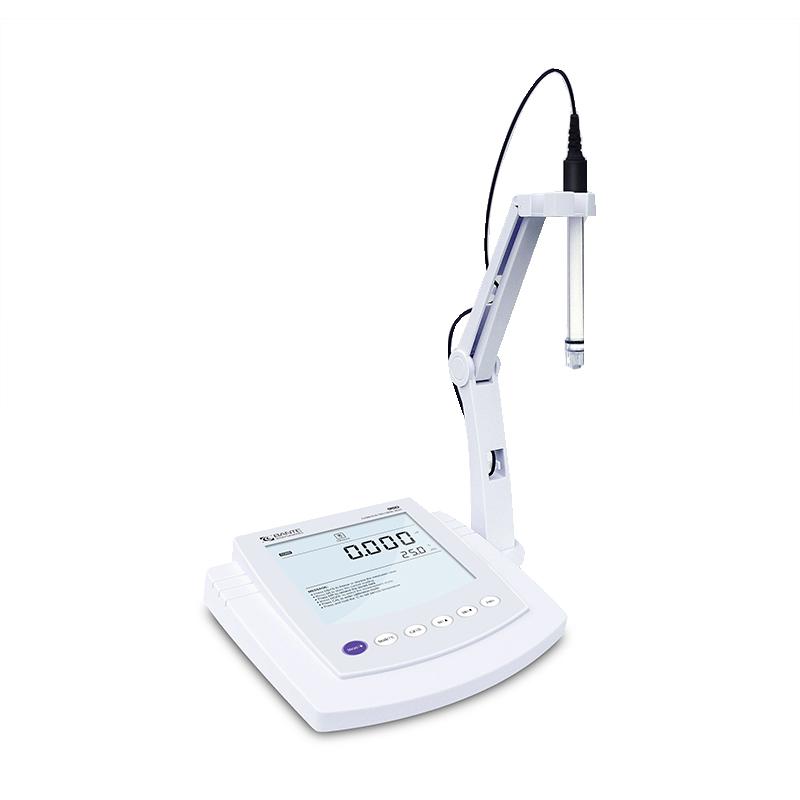
select points
1. Measuring range: Select the measuring range of the conductivity meter according to actual needs. Generally speaking, the larger the measurement range of the conductivity meter, the wider the use range.
2. Accuracy: Choose a high-precision conductivity meter to obtain more accurate measurement results. Generally speaking, the higher the accuracy of the conductivity meter, the more expensive it is.
3. Temperature compensation: temperature has a great influence on conductivity, so the general conductivity meter is equipped with temperature compensation function. Choosing a conductivity meter with temperature compensation can improve the accuracy of the measurement.
4. Display mode: There are generally two display modes of the conductivity meter: analog and digital. Digital conductivity meters have the advantages of higher accuracy and ease of reading, while analog conductivity meters are less expensive.
5. Automatic temperature compensation: The automatic temperature compensation function can automatically adjust the temperature compensation coefficient to minimize the influence of temperature.
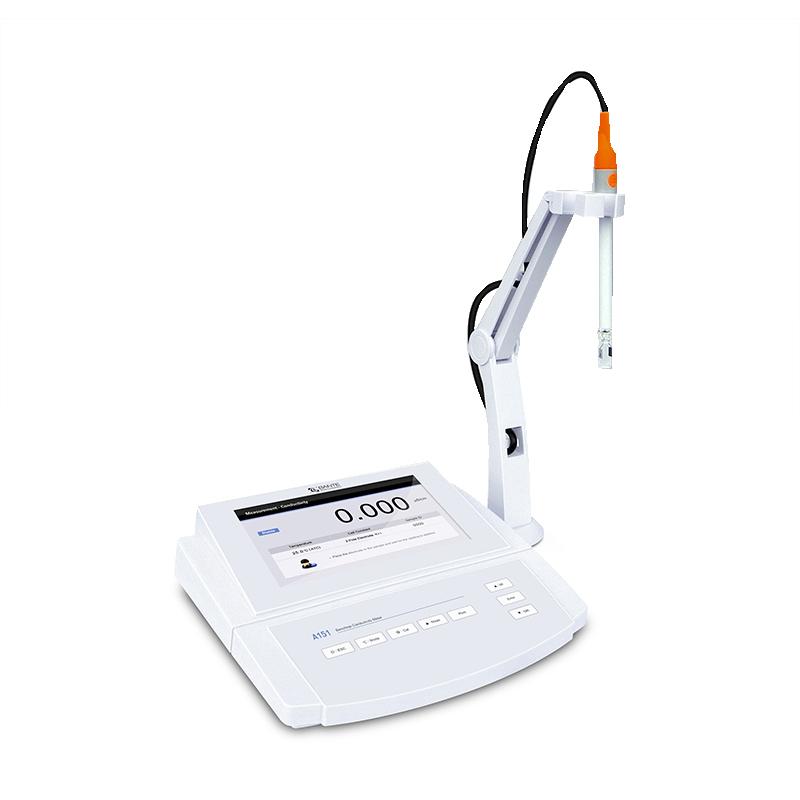
Precautions
1. Calibration: Calibration must be performed before using the conductivity meter. Generally speaking, the calibration of the conductivity meter is divided into zero point calibration and slope calibration.
2. Maintenance: The conductivity meter needs regular maintenance, such as cleaning the measuring electrode, replacing the electrode, etc. Regular maintenance in turn ensures the accuracy and reliability of your conductivity meter.
3. Operating environment: The conductivity meter has certain requirements on ambient temperature, humidity and other conditions, so pay attention to whether the environmental conditions meet the requirements when using it.
4. Storage: When the conductivity meter is not in use for a long time, it should be stored in a dry and light-proof place to prevent the instrument from being exposed to moisture or sunlight.
5. How to use: When using a conductivity meter, follow the operating instructions to avoid inaccurate measurement results or damage to the instrument due to improper use.
- 1The Working Principle of Gel Conductivity Meter Has Been Detailed
- 2Detection Principle and Application Analysis of Conductivity Meter
- 3Principle of Conductivity Analyzer
- 4Several common electrode types for Conductivity Meters
- 5Differences between three STIP-scans: pH Meter, Conductivity Meter, and Dissolved Oxygen Meter
- 6Conductivity Meter and Ion Meter specific differences
- 7Common types and application differences of STIP-scan
- 8How to detect the conductivity of lithium battery coating slurry?
- 9How to choose a high-precision conductivity meter?