Standard coating process
The so-called full painting refers to the overall refurbishment of the car paint film, also known as the whole vehicle repair painting. The full painting operation is generally carried out after the car has been used for many years, the body coating is aging (paint film cracking, discoloration, loss of light, etc.), or the car is overhauled; some are also changed to other specified colors according to a certain purpose of use of the user .
According to the degree of aging and damage of the coating, this operation can be divided into full painting after "whitening removal" and full painting after surface layer renovation. In the case of serious coating aging (undercoat cracking, blistering and falling off, rust under the paint film, etc.), use mechanical methods (grinding machine and spatula) or use a stripper to remove the old paint layer. Painting operation after complete removal to expose the metal surface. Surface refurbishment painting is carried out when the base coat is intact, and only the damaged top coat is removed when the top coat is aged (discoloration, loss of gloss, chalking, cracking, etc.).
In our country, the full painting has always been based on "whitening" painting, so the work efficiency is low and the cost is high. With the advancement of automobile technology, the quality of undercoating of car bodies in many developed countries has approached or reached the level of the same lifespan as that of automobiles, and the full painting operation is also developing to focus on refurbishment of the topcoat layer.
The standard full coating process described in this section is a commonly used method. Obviously, the conditions of each auto body repair shop are different, and the full painting operation is naturally different, but the general steps are similar.
1. Preparation
1) Wash the car, check the coating condition of the repaired car, and formulate the paint repair process and operation guidelines;
2) Remove parts that affect sheet metal and painting operations;
3) Sheet metal repair.
2. Surface treatment before painting
Removing Old Coating: Peel off old damaged coating with a paint stripper, sander or spatula. The peeling surface of the old coating depends on the damage degree of the coating. If the coating of the whole vehicle is cracked, it will be completely peeled off, that is, the body will be fully painted after "whitening";
1) Grinding the trimmed surface of sheet metal, removing old paint and smoothing;
2) Polish the iron embroidery, and polish the surface after removing the old paint layer with a paint remover;
3) Blow or wipe to remove oil and dust;
4) Moisten the cloth with gasoline or solvent, and wipe off the treated surface; spray a layer of phosphating primer or paint metal surface treatment agent.
3. Apply the base coat
1) Brush or spray self-drying synthetic resin primer;
2) Natural drying or forced drying at 60°C;
3) Apply scraping putty to the sheet metal trimming parts and the surface with pits;
4) Natural drying or forced drying at 60°C;
5) Manually smooth the surface of the putty layer by dry grinding or wet grinding;
6) When the four pits cannot be filled with putty once, repeat the putty and grinding procedures until it is filled;
7) Grinding the painted surface of the entire body;
8) Blow or wipe to remove dirt, dust and moisture;
9) Moisten the cloth with solvent or gasoline to remove oil stains;
10) Cover glass windows and doors with protective covers or paper to prevent paint from adhering during spraying.
4. Apply intermediate coating
1) Spray a surfacer (or an intermediate paint made with primer and topcoat 1:1);
2) Natural drying or forced drying at 60°C;
3) Partially scrape putty to eliminate putty trachoma, sandpaper lines, etc.;
4) After the putty layer is dry, wet sand the entire surface with 360~400 water-resistant sandpaper;
5) Blow and wipe down the surface.
5. Preparation before topcoat
1) Cover and protect the surface that does not need to be painted;
2) Moisten the cloth with solvent gasoline, wipe the surface to be coated, and remove oil stains;
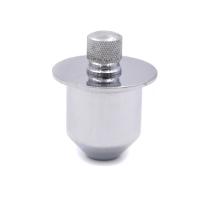
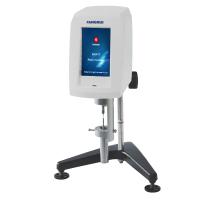
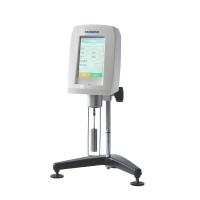
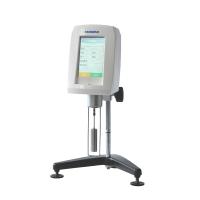
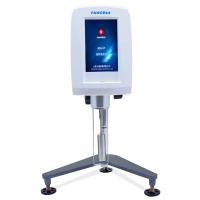
3) Prepare paint (color matching, viscosity adjustment), and filter. (Related instrument: viscometer)
6. Topcoat
1) Spray topcoat, 2~3 coats of polyester, 3~4 coats of nitro topcoat;
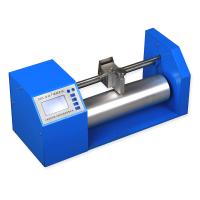
2) Natural drying or forced drying at 60°C. (Related instrument: drying time Tester)
7. Finishing work
1) Remove the protective cover or paper after the topcoat layer is dry;
2) Polish with polishing slurry or polishing wax;
3) Install and remove the parts and check the coating quality;
4) Clean the interior, exterior surfaces and tires of the vehicle.




- 1Drying time and applicable standards of coatings
- 2What is the difference between paint and paint?
- 3Color and brightness factors for signal testing
- 4What performance testing should be done for painting in building reflection and heat insulation? How to meet the standard?
- 5What performance subjects are tested for water-based floor coating materials and how do they meet the standards?
- 6GBT14907 Standard Indoor Steel Structure Fireproof Coating Performance Testing Scheme [Instrument List]
- 7What is the difference between the internal and external performance requirements of granite coatings?
- 8HG/T 5573 Graphene zinc powder coating performance testing scheme [with economic file instrument parameters]
- 9What are the test performance requirements for paint in building elasticity?