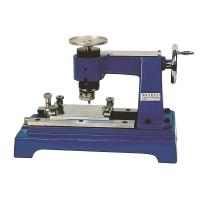
ASTM D3359 Tape Adhesion Test
ASTM D3359 is a standard test method that provides a procedure for evaluating the adhesion of a coating to a substrate using a tape test. The test is commonly used in the coatings industry to assess the adhesion of coatings applied to a variety of surfaces.
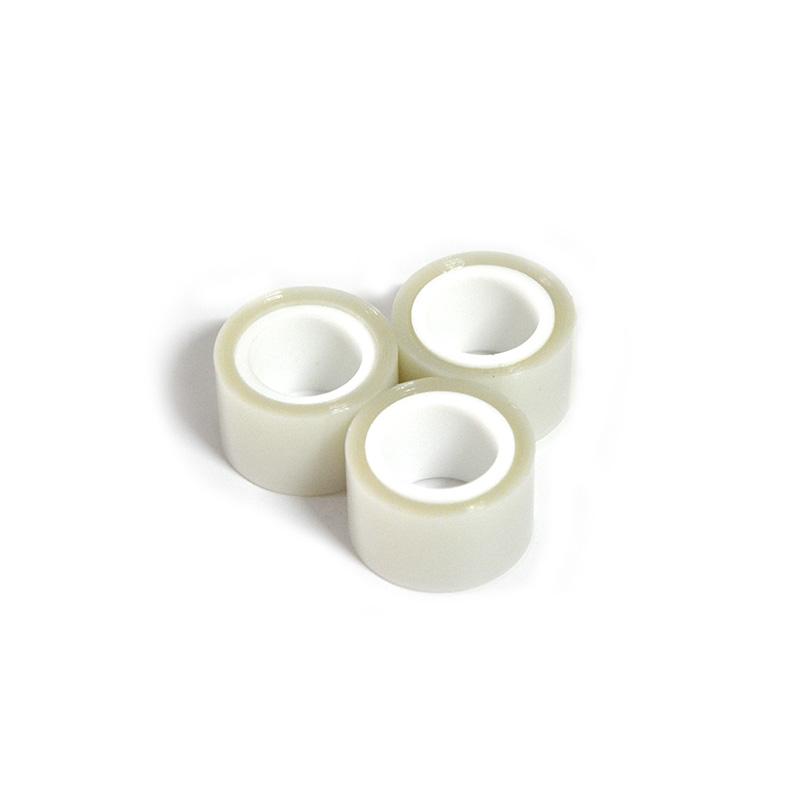
The test involves applying a piece of adhesive tape to the coated surface and then quickly removing it. The adhesion of the coating is evaluated based on the amount of coating that is removed from the surface along with the tape. The test can be performed using a variety of tape types and adhesive strengths, depending on the specific application.
ASTM D3359 provides guidance on the preparation of the specimen, the selection of the appropriate tape and test method, and the procedure for conducting the tape test. The standard also includes guidelines for interpreting the results of the test.
During the test, a piece of tape is applied to the coated surface with firm pressure, and then quickly removed at a 90-degree angle. The amount of coating that is removed with the tape is evaluated based on a standardized rating system specified in the standard. The rating system ranges from 0B (no adhesion loss) to 5B (more than 65% adhesion loss).
ASTM D3359 provides guidance on the appropriate tape test method to use based on the characteristics of the coating and the substrate material. For example, different test methods may be used for coatings applied to metal versus coatings applied to concrete.
The tape test is a widely used method for evaluating the adhesion of coatings, and it is often used in quality control and product development. However, it is important to note that the test does not provide a comprehensive assessment of all aspects of coating performance, and it may not be appropriate for all types of coatings and substrates.
Overall, ASTM D3359 provides a standardized procedure for conducting tape tests to evaluate the adhesion of coatings, and can be a valuable tool for evaluating the performance of coatings applied to a variety of surfaces. By following the procedures outlined in the standard, users can obtain reliable and reproducible results that can be used to inform important decisions related to coating selection and quality control.
- 1Film adhesion detection method and its applicability analysis
- 2Purpose, method, principle and operation points of coating adhesion test
- 3Working principle and application of UV coating Cupping testing device
- 4Principle and Application Analysis of Film Adhesion Tester
- 5Optical inspection device Anti-reflection film adhesion Measuring method
- 6Automatic scratch test to evaluate film strength, hardness, adhesion
- 7Comparison of film adhesion determination methods
- 8Determination of film adhesion
- 9Paint film adhesion and test method thereof