What is dyne (surface tension)?
When an ink or coating fails to adhere to a plastic substrate, it is generally believed that one of the reasons may be the surface energy or dyne level of the material. What is it and how does it affect ink adhesion? Let us help explain.
The ability of a substrate to adhere to inks, coatings or adhesives is directly related to its surface energy. The terms "surface energy" or wetting are generally used to describe the reactivity of solid substrate surfaces, while "surface tension" is used to refer to liquids. For converters of plastic films, the importance of knowing the surface energy of the substrate to ensure good coating and print quality and adhesion of the laminated film cannot be overemphasized.
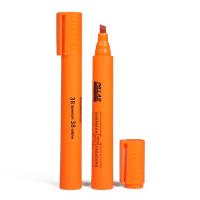
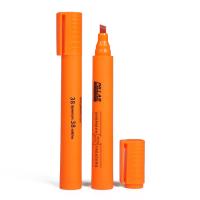
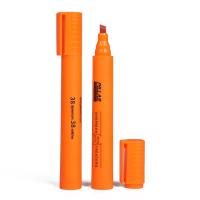
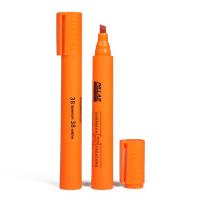
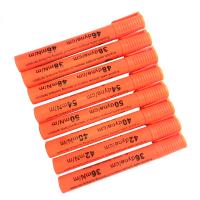
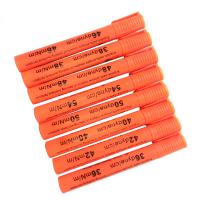
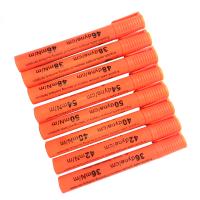
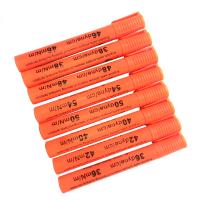
Surface tension is usually measured in units of energy called dynes/cm. In the Dyne test, a wetting tension liquid is applied to a substrate to determine the printability, coating deposition and heat sealability of the treated film. There are three methods used to measure dyne levels: the dyne pen method (common and easiest to perform in a production environment), the cotton swab applicator method, and the pull-down method.
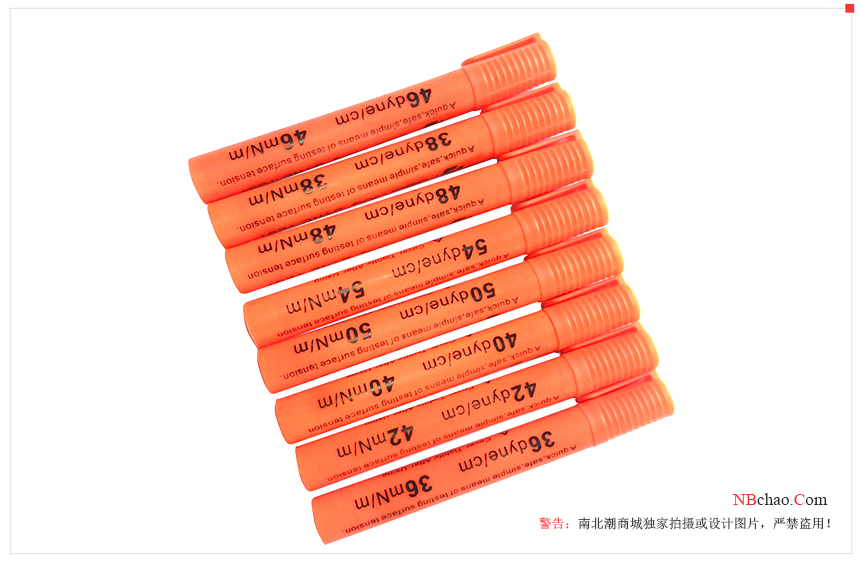
If the surface tension of the liquid is higher than the surface energy of the material, the liquid will become cohesive and tend to form droplets – meaning wetting will be hindered, leading to poor adhesion. To achieve good wetting, the surface energy of the substrate needs to exceed the surface tension of the liquid. The liquid will then spread out in an even wet layer over its entire surface.
As a result of dyne level testing, surface treatments are often used in printing and other converting processes to alter the surface properties of materials. Treatments can be designed to improve the wetting properties of the substrate, enhance the bond between the substrate and the applied material, or eliminate static charges that have accumulated on the substrate surface. Surface preparation technologies play a key role in preparing the surface of many commonly used packaging materials for subsequent processing steps.
One of the common methods of increasing dyne levels in substrates is through corona discharge treatment. This is preferably done on press, just before the printing unit. The surface of the film is exposed to an electrical discharge, which oxidizes the surface of the film. The result is that the surface of the film is charged and its surface chemistry is altered. The ink will have a tighter bond with this functionalized plastic surface.
-
![Fengzhiyue 38 Printing ink Dyne pen Dyne value 38 blue]()
-
![Fengzhiyue 54 Dyne pen]() Fengzhiyue 54 Dyne pen$ 84.00
Fengzhiyue 54 Dyne pen$ 84.00 -
![Fengzhiyue 36 Dyne pen surface tension coefficient 36]()
-
![Fengzhiyue 48 Dyne pen]() Fengzhiyue 48 Dyne pen$ 84.00
Fengzhiyue 48 Dyne pen$ 84.00 -
![Fengzhiyue 34 Dyne pen tension coefficient 34]()
-
![Fengzhiyue 40 Dyne pen surface tension coefficient 40]()
-
![Fengzhiyue 56 Dyne pen]() Fengzhiyue 56 Dyne pen$ 84.00
Fengzhiyue 56 Dyne pen$ 84.00 -
![Fengzhiyue 46 Dyne pen surface tension 46]()
-
![Fengzhiyue 50 Dyne pen]() Fengzhiyue 50 Dyne pen$ 84.00
Fengzhiyue 50 Dyne pen$ 84.00

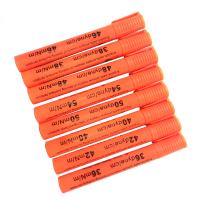
- 1Water surface tension measurement based on Electronic Balance
- 2Film adhesion detection method and its applicability analysis
- 3Application of Dyne pen in surface tension measurement
- 4Purpose, method, principle and operation points of coating adhesion test
- 5Working principle and application of UV coating Cupping testing device
- 6Principle and Application Analysis of Film Adhesion Tester
- 7Optical inspection device Anti-reflection film adhesion Measuring method
- 8Dyne pen in film printing
- 9Automatic scratch test to evaluate film strength, hardness, adhesion