What is dyne level?
Industries of all kinds need to determine the surface energy and surface adhesion properties of the substrates they use. Dyne solutions and dyne pens determine this information by measuring the wettability or non-wetability properties of a material in dynes/cm. Higher dyne levels mean better wetting of the substrate, which generally means that laminates, adhesives, coatings, paints and inks will adhere more easily to the substrate.
Dyne Test Inks and Dyne Test Pens are very useful for identifying substrates with problematic low surface tensions and for determining the level of finish a substrate has achieved through surface treatment.
Dyne 101 Class
The dyne level is the surface energy measured in energy units called dynes/cm. The importance of knowing the dyne level of the substrate to achieve proper adhesion cannot be overemphasized, as the surface tension of the material determines which types of media (such as inks, paints and glues) will properly wet the substrate surface and form a strong bond . Dyne pens and dyne inks are used to measure dyne/cm.
Dyne ink test kit and marker with 38 dyne/cm ink. They measure the surface energy of substrates quickly and easily. The Dyne Ink Test Kit includes bottles of ten Dyne inks, with a Dyne level scale. These are used to determine substrate dyne levels before and after surface preparation. The dyne inks in the kit range from 34 – 56 dyne/cm.
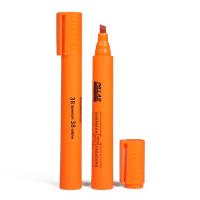
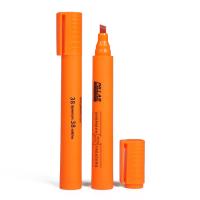
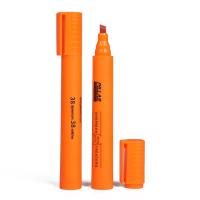
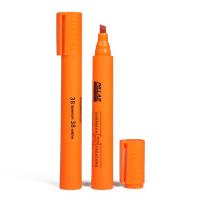
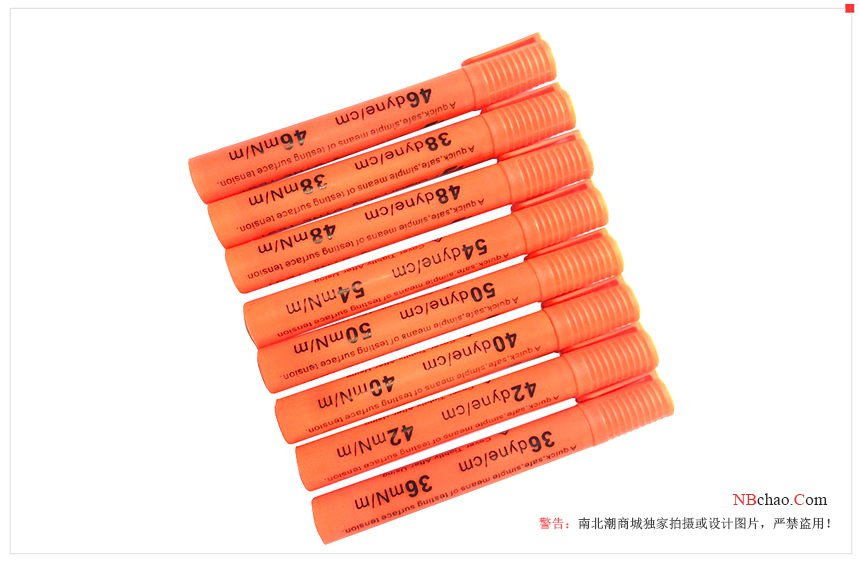
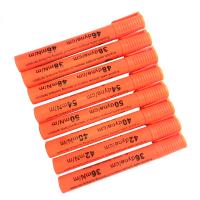
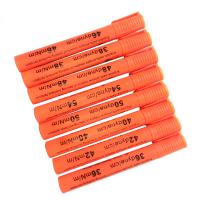
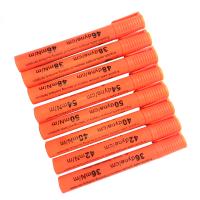
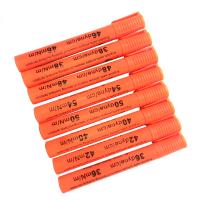
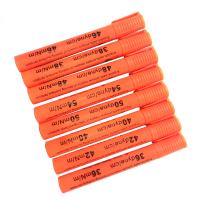
Dyne pens are very similar to markers but filled with 38 dyne/cm ink. The pen is filled with this special dyne ink because polymer plastics with a surface tension lower than 37 dyne/cm will be difficult to bond. In use, draw a line on the surface with a dyne pen. If the line is continuous, the material is not less than 38 dynes/cm and is receptive to media such as inks, paints and adhesives. However, in many cases, with the help of surface preparation, the substrate requires higher levels of dyne before a strong bond to the medium can occur.
Determining Dyne Levels of Substrates
In most cases, the first step in the testing process to detect dyne levels in a substrate is to clean the substrate and ensure it is not damaged. Next, start with a lower amount of dyne ink. Press the brush in the ink bottle against the surface of the substrate and draw a line across its surface.
Watch for the ink beads and lines to shrink or break within two seconds, then repeat the process with the next higher grade of dyne ink. Once the line is stable for two seconds, the test is complete and the dyne ink used corresponds to the dyne level of the substrate.
If the dyne test shows that the dyne level of the substrate is too low, corona and plasma treatments will raise it. 3DT's corona technology solves many adhesion problems with a variety of materials by increasing surface tension. The term corona treatment refers to the ionized air cloud released during the corona process. This ionized air, known as a corona discharge, can treat surfaces of many materials.
The corona process involves exposing atmospheric air to different voltages, causing neutral and charged molecules to collide. This collision creates a heavily charged region of ionized air. To avoid this, a separator is placed between the two electrodes, causing corona discharge. This discharge contains the energy required to break molecular bonds on the surface, resulting in a crosslinking reaction that increases the surface tension of the material.
Dyne Pens and Test Kits
38 dyne/cm dyne pens, pack of 10 pens. They are used like any other felt tip pen to indicate whether the surface has been sufficiently prepared to accept ink, adhesive or paint at 38 dynes/cm.
We also offer a dyne solution test kit which comes with a foam lined hard shell case, instructions for use and ten bottles of 30ml blue test ink for the following measurements:
34 dynes/cm
36 dynes/cm
38 dynes/cm
40 dynes/cm
42 dynes/cm
44 dynes/cm
46 dynes/cm
48 dynes/cm
52 dynes/cm
56 dynes/cm
These bottles have a shelf life of one year once the cap is opened and a brush is attached to the cap for easy application.
When proper adhesion is of paramount importance for your application, you need to reliably determine the dyne level of your substrate. Dyne test kits make this process quick and easy.
-
![Fengzhiyue 38 Printing ink Dyne pen Dyne value 38 blue]()
-
![Fengzhiyue 54 Dyne pen]() Fengzhiyue 54 Dyne pen$ 84.00
Fengzhiyue 54 Dyne pen$ 84.00 -
![Fengzhiyue 36 Dyne pen surface tension coefficient 36]()
-
![Fengzhiyue 48 Dyne pen]() Fengzhiyue 48 Dyne pen$ 84.00
Fengzhiyue 48 Dyne pen$ 84.00 -
![Fengzhiyue 34 Dyne pen tension coefficient 34]()
-
![Fengzhiyue 40 Dyne pen surface tension coefficient 40]()
-
![Fengzhiyue 56 Dyne pen]() Fengzhiyue 56 Dyne pen$ 84.00
Fengzhiyue 56 Dyne pen$ 84.00 -
![Fengzhiyue 46 Dyne pen surface tension 46]()
-
![Fengzhiyue 50 Dyne pen]() Fengzhiyue 50 Dyne pen$ 84.00
Fengzhiyue 50 Dyne pen$ 84.00

- 1Film adhesion detection method and its applicability analysis
- 2Application of Dyne pen in surface tension measurement
- 3Purpose, method, principle and operation points of coating adhesion test
- 4Working principle and application of UV coating Cupping testing device
- 5Principle and Application Analysis of Film Adhesion Tester
- 6Optical inspection device Anti-reflection film adhesion Measuring method
- 7Dyne pen in film printing
- 8Automatic scratch test to evaluate film strength, hardness, adhesion
- 9Comparison of film adhesion determination methods