Coated steel coating mass control inspection instructions
Coating quality control of prepainted board
The quality control of the color-coated plate coating is usually carried out in three stages. That is, the control before coating, the process of coating construction and the control after coating according to the degree of failure of the coating. The control before coating and during coating construction is very important and can be said to play a decisive role. The quality control after topcoating is actually a feedback to the first two stages, and it is a means to search for the cause of quality defects. Therefore, the operator must strictly follow the process regulations and operating procedures during the entire coating construction process.
Pre-coating control inspection link
(1) Check whether the steel strip has been tested and analyzed for surface defects and plate shape before surface treatment.
(2) Check the degreasing and cleaning effect on the surface of the steel strip,
(3) Check whether the thickness of the chemical liquid film on the surface of the steel strip is in accordance with the national industry standards.
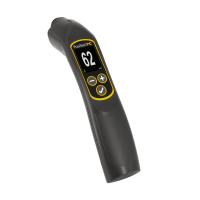
(4) Check whether the surface of the steel strip meets the requirements of the surface temperature and humidity of the coated substrate. (Related instrument: temperature and humidity meter)
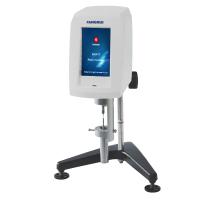
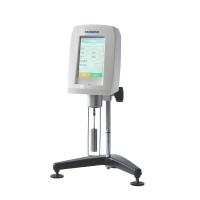
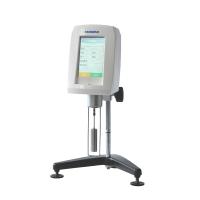
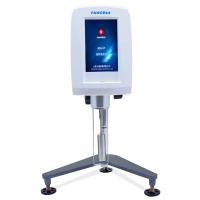
(5) The type, specification, and viscosity of the coating and thinner before being used on the machine (relevant instrument: viscometer) .
(6) The ambient temperature of the coating room.
The coating construction process control mainly includes the following inspection links
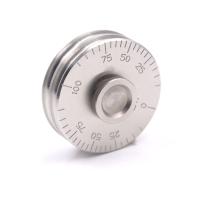
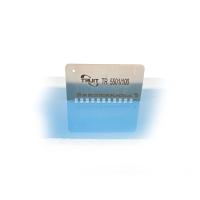
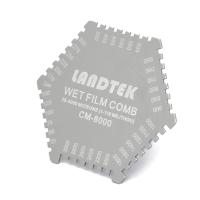
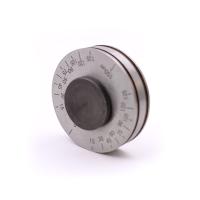
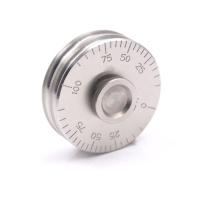
(1) Wet film thickness of primer and topcoat (relevant instrument: wet Film Thickness Gauge) .
(2) Whether there is missing phenomenon such as leakage or discontinuity in the wet film.
(3) Whether the speed ratio between the last roller and the production line meets the process requirements
(4) The drying temperature of each section of the curing furnace.
Post-coating control checks
(1) Check the surface condition of the coating, including whether there are surface defects, gloss and color, etc.
(2) Check whether the total thickness of the dry film meets the design requirements according to national or industry standards.
(3) Check the adhesion of the coating to the substrate and the adhesion between coating and spreading.
(4) Check other properties of the coating according to the quality standards of the coating.




- 1How to measure and calculate the wet film thickness correctly? dry goods
- 2What is a wet Film Thickness Gauge?
- 3Standards for quality inspection of color-coated boards
- 4Color coated board back paint
- 5How to control the thickness of construction coatings? Conventional thickness of different coatings
- 6How to use the wet Film Thickness Gauge?
- 7How does the wet Film Thickness Gauge predict the dry film thickness of the coating?
- 8Coated steel coatings adhesion performance
范纯, 张家琪, 姜宝宇 宝钢股份公司 制造管理部 - 《钢铁研究》
- 9Common mass control categories of coating pretreatment
-
![MODERNER YQH-100 Wet Film Thickness Wheel Gauge 0~100μm/5μm]()
-
![TRUIT TR 5501/100 Wet Film Comb Gauge 10~100μm]()
-
![LANDTEK CM8000 hexagonal wet-film gauge wet-film card, for WFT on the surface of a new paint layer, stainless steel material]()
-
![JINGKELIAN QUL WFT gauge 0~500μm]() JINGKELIAN QUL WFT gauge 0~500μm$ 123.00
JINGKELIAN QUL WFT gauge 0~500μm$ 123.00 -
![Defelsko PosiTest PC Non-Contact Uncured Powder Thickness Gauge]()
-
![MODERNER YQH-50 Wet Film Thickness Wheel Gauge 0~50μm/2.5μm]()