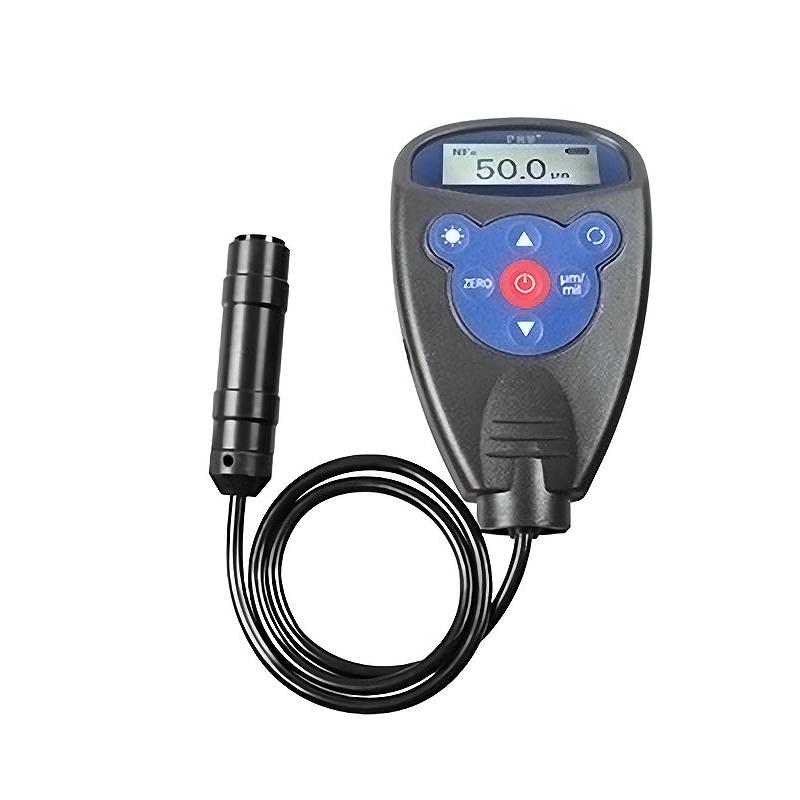
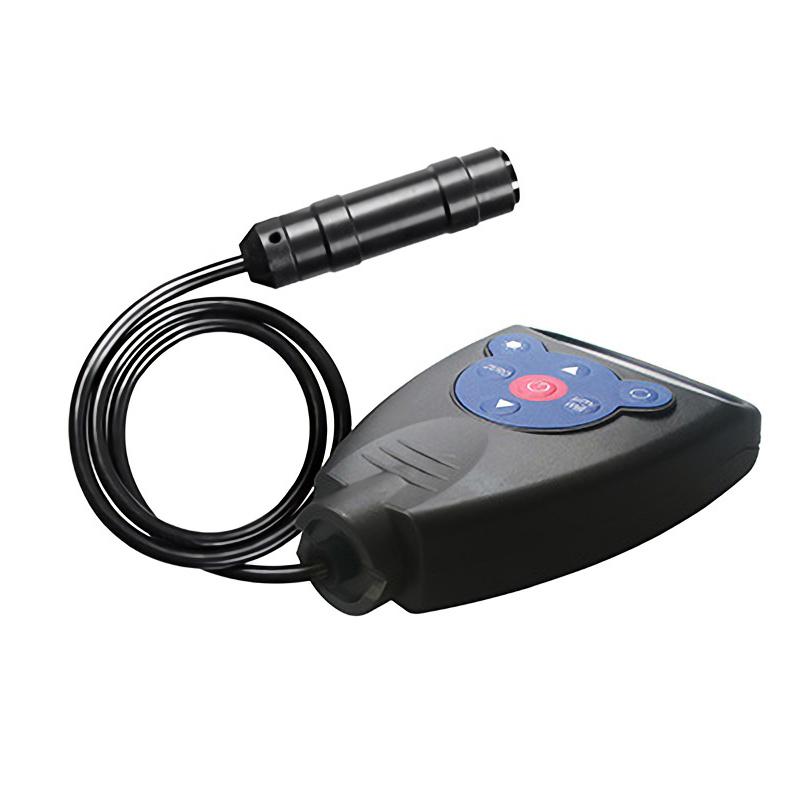
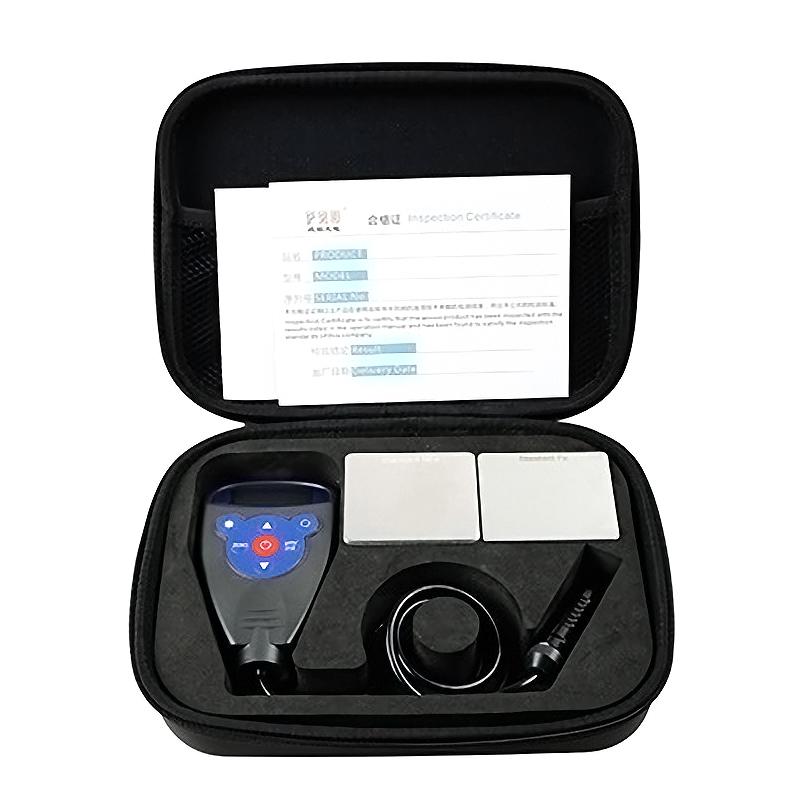

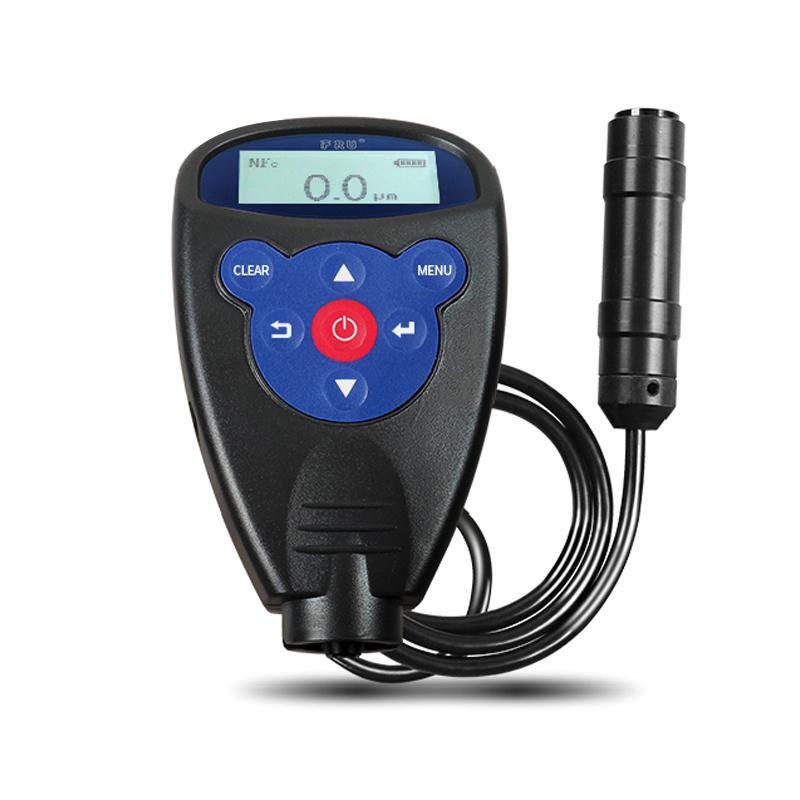
IWAVE WH92 split coating Film thickness meter
SE WH92
WH92

-
 CHINA CTG-800-1500FN Paint Layer Thickness Gauge, Integrated dual-use Standard Type$ 206.00SE
 -
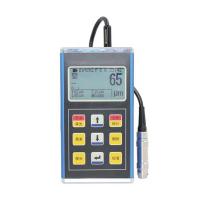 IPRE CT400 magnetic Induction eddy Current Coating Thickness Gauge Measurement range 0~1500μm$ 256.00SE
 -
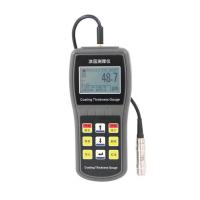 IPRE CT150 Coating Thickness Gauge Measurement range 0~1500μm$ 236.00SE
 -
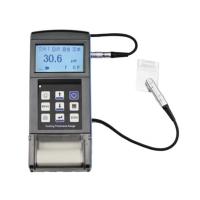 IPRE CT300 paints film thickness Measurement Instrument magnetic Induction/eddy Current dual-use$ 373.00SE
 -
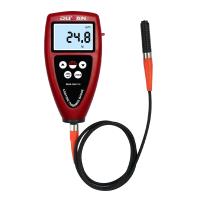 DUBAN DB20-CM211S Split type coating Thickness Gauge, with wire paint film Thickness Gauge$ 407.00SE





IWAVE WH92 Coating Thickness GaugeSPEC
IWAVE WH92 Coating Thickness GaugeDetails
IWAVE WH92 Coating Thickness GaugePacking list

- SKU
- NB029461
- Measurement principle
- Magnetic induction + eddy current
- Measuring range
- 0 ~ 1250µm
- margin of error
- Zero point calibrated ± (1 + 3% H); two point calibrated ± [ (1%~ 3% H) ] H + 1.5
- Minimum measurement surface
- 10*10mm
- Minimum radius of curvature
- Convex: 5mm; Concave: 5mm
- thinnest matrix
- 0.4mm
- probe
- belt line
- Calibrated mode
- Zero point calibrated, two point calibrated
- Unit display
- mm
- Power
- Two AA batteries
- Standards
- GB/T 4956─1985、GB/T 4957─1985、JB/T 8393─1996、JJG 889─95、JJG 818─93
- Language
- English, Chinese
- Display screen
- LED liquid crystal display
- Operating Temperature
- 0-40℃
- Relative Humidity
- ≤85%
- Print function
- without
- Total Weight
- 115G (including battery)
- Complete-built unit size
- 110*65*30mm
Introduction
WH92 split-iron-aluminum dual-purpose coating Thickness Gauge adopts two methods of thickness measurement: magnetic and eddy current. The probe with wire can measure some groove surfaces, and the difficult-to-measure positions outside the aluminum alloy window. The anodic oxidation measurement data is very stable. Is your best choice.
Features
Both magnetic and eddy current thickness measurement methods are used, which can measure the thickness of the non-magnetic coating on the magnetic metal substrate and the thickness of the non-conductive coating on the non-magnetic metal substrate;
The instrument can be calibrated by two methods of single-point calibration and two-point calibration, and the system error of the measuring head can be corrected by the basic calibration method to ensure the accuracy of the instrument during the measurement process;
It can quickly and automatically identify ferrous substrates and non-ferrous substrates. It has the function of power supply underVoltage indication. There is a buzzer prompt during the operation;
There are two shutdown methods: manual shutdown and automatic shutdown;
It has negative number display function to ensure the calibration accuracy of the instrument at zero point; it has the function of displaying average value, maximum value and minimum value.
Standards
GB/T 4956─1985 Magnetic methods for measuring the thickness of non-magnetic coatings on magnetic metal substrates
GB/T 4957─1985 Eddy current method for measuring the thickness of non-conductive coatings on non-magnetic metal substrates
JB/T 8393─1996 Magnetic and eddy current coating thickness measuring instrument
JJG 889─95 "Magnetic Resistance Thickness Gauge"
JJG 818─93 "Eddy Current Thickness Gauge"
- 1GB/T 44757-2024《Anodizing coating on titanium and titanium alloys》
- 2QJ 990.3A-2011《Inspection methods of coating.Part 3:Measurement of coating thickness》
- 3NF EN ISO 2808-2007《Paints and varnishes - Determination of film thickness.》
- 4GB/T 13448-2019《Test methods for prepainted steel sheet and strip》
- 5JJG 818-2018《Magnetic and Eddy Current M easuring I nstrument for Coating Thickness》
- 6GB/T 1727-2021《General methods for preparation of coating films》
- 7HG/T 20720-2020《Construction and acceptance specification of waterborne anti-corrosion coatings for steel structures in industrial buildings》
- 8HG/T 5367.1-2018《Coatings for rail transit vehicles - Part 1: Waterborne coatings》
- 9ISO 2808-2019《Paints And Varnishes - Determination Of Film Thickness》
- 10GB/T 4956-2003《Magnetic substrate, nonmagnetic overlay, overlay thickness measurement magnetic method》