
Polymer film wire rod drawdown blade Coater film 20.6 μm film Applicator set
 TBJ-B2-XB+RDS 9# 3/8"

-
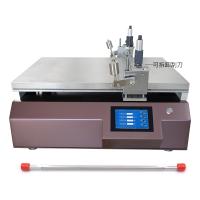 China Drawdown blade bar Experimental Film Applicator TBJ-B2-DJ3 Automatic Film Applicator$ 2499.00SE
 -
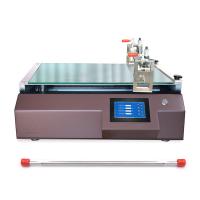 China drawdown Bar & blade Experimental Film Applicator TBJ-B2-XB Perovskite Film high-precision Spreader$ 2421.00SE
 -
 China Battery Automatic Film Applicator Drawdown blade Lab Film Applicator TBJ-GD-JKXB$ 1951.00SE
 -
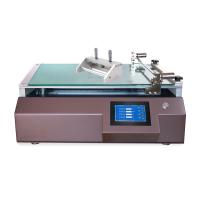 China Small Lab Film Applicator Portable Drawdown blade + bar coating machine TBJ-GD-GCXB$ 1575.00SE
 -
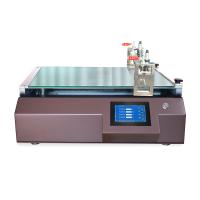 China TBJ-B2 Lab Film Applicator Precision film Drawdown blade + bar$ 1951.00SE





zy TBJ-B2-XB+RDS 9# 3/8" Automatic Film ApplicatorSPEC
zy TBJ-B2-XB+RDS 9# 3/8" Automatic Film ApplicatorDetails
zy TBJ-B2-XB+RDS 9# 3/8" Automatic Film ApplicatorPacking list

- SKU
- NB035231
- Spreader thickness range
- 0.01-10Mm drawdown blade can be lifted
- Coating speed
- 5~ 180Mm/s (< 5mm/s can be customized)
- Coating size
- 300*400mm
- Spreader time
- Digital display, different speed, time Accuracy control,
- Coating rod specification
- Standard 1 RDS9 stick + 1 China stick
- Application width
- 300mm
- Drawdown blade length
- 400MM material/stainless steel
- Host Power
- 220V 50Hz 1700W
- Dimensions
- 626*410*520mm
- Weight
- Net Weight 55KG
- speed control
- Infinitely variable speed
- Bottom plate material
- Glass plate
- Customizable function
- Jet system device, UV solid-containing device, automatic inking system
product description
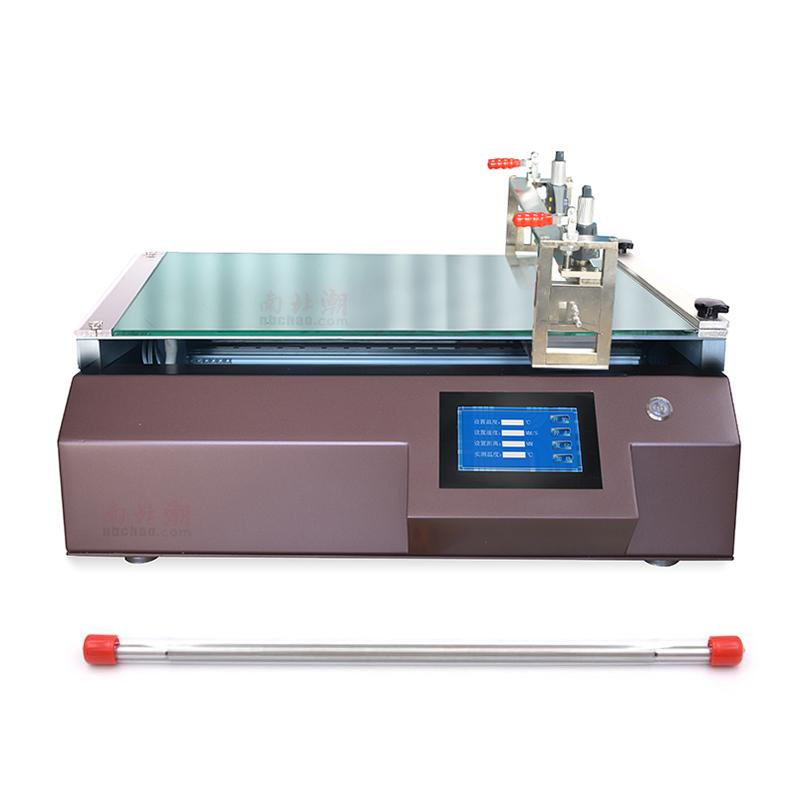
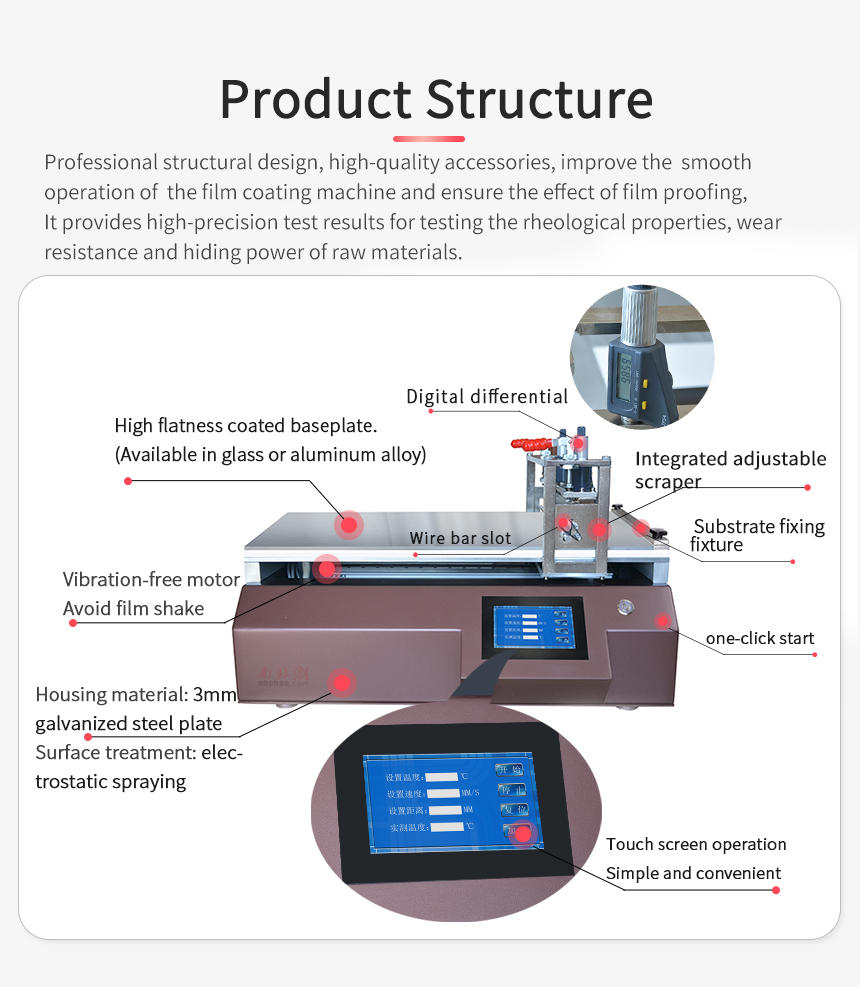
The TBJ-B experimental small coating testing machine all uses imported accessories and is very affordable. It has been favored by many multinational R&D institutions, as well as many well-known universities and scientific research institutions at home and abroad. By controlling the speed and stable pressure, the coating and gluing effect is ensured, and the uniformity and stability of the coating and gluing are ensured.
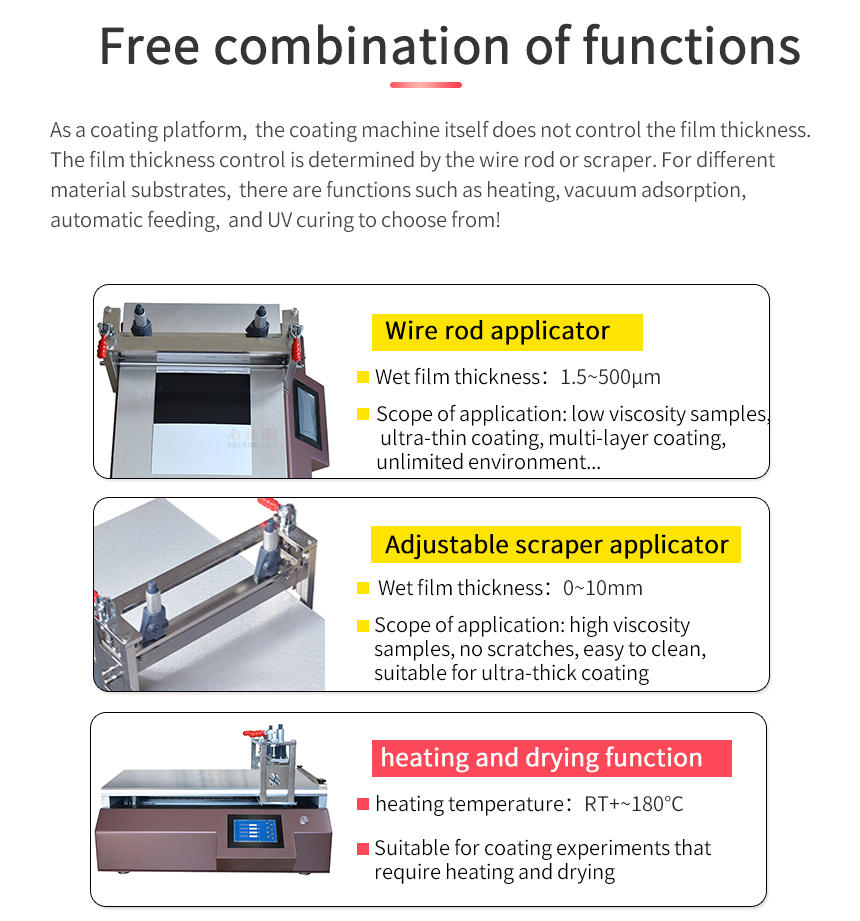
Since the main factors that affect the coating film are the coating speed and the pressure exerted on the Film Applicator, the coatings applied manually are often inconsistent, especially the differences between different people are even greater. This makes it difficult to compare test results between samples. Our company's automatic Film Applicator is carefully designed to allow operators to easily apply precise wet films on different substrates, greatly improving the reproducibility of coating films.
This automatic coating machine comes standard with RDS No. 9 rod, which is used to scrape-coat polymer films with a thickness of 20.6 μm.

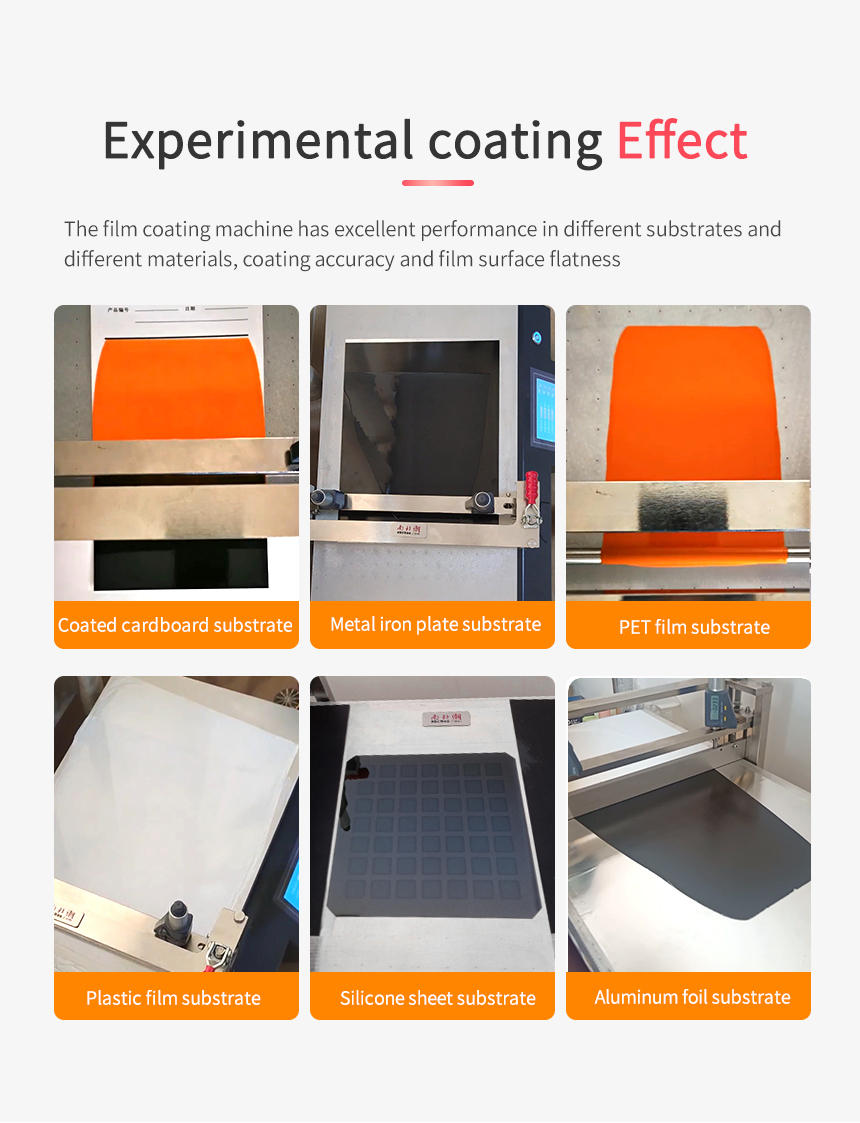
Features
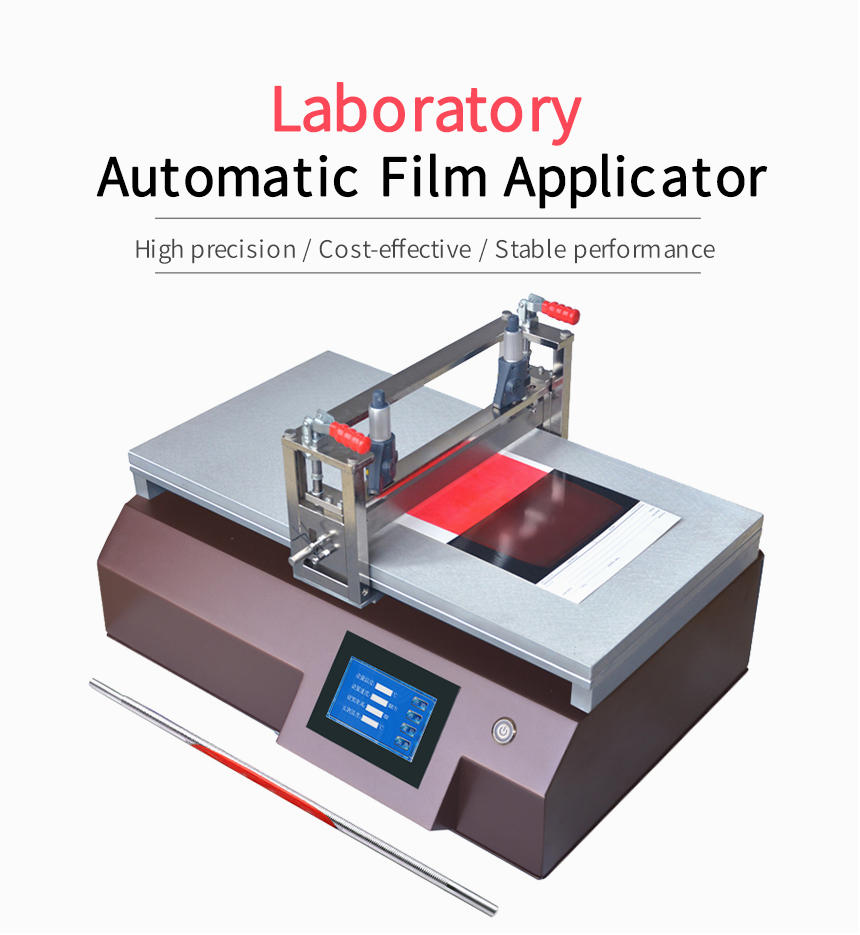
The laboratory small coating machines all use imported accessories and are very cheap. They have been favored by many multinational R&D institutions and many familiar universities at home and abroad.
By controlling the speed and stable pressure, the coating effect is ensured, and the uniformity and stability of the coating are ensured.
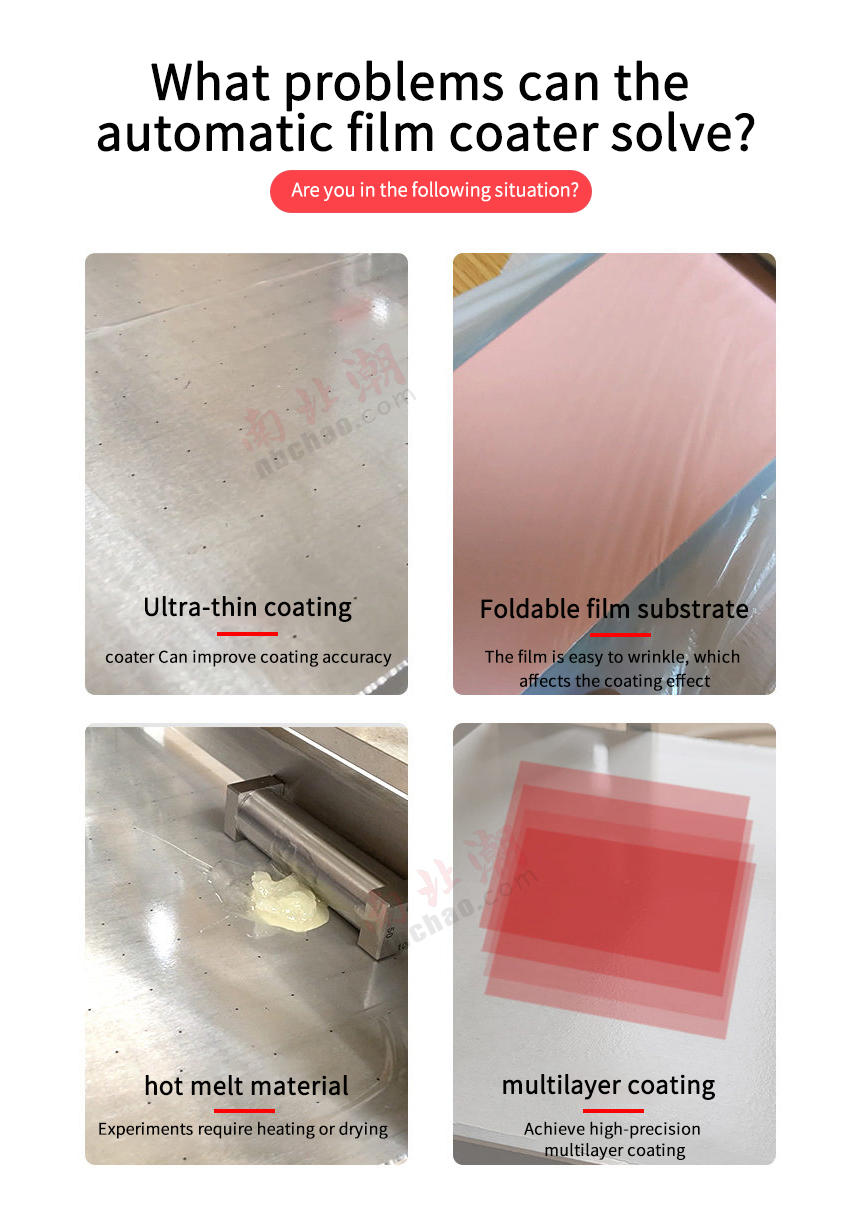
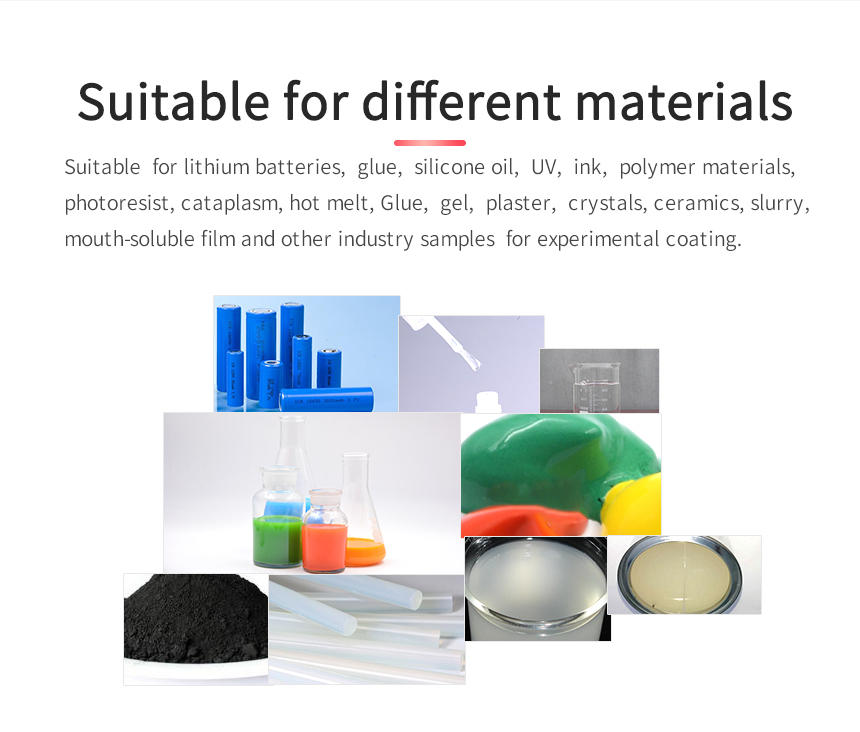
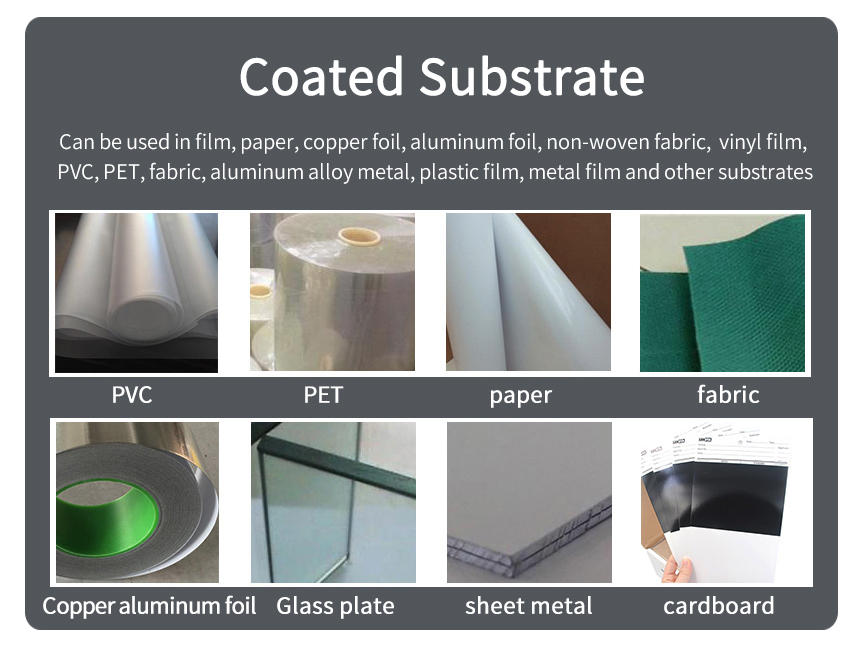
Coating experiments can be carried out on various flat materials such as paper, plastic, metal, PVC, PET, cloth, and aluminum alloy plates.
Why do we need imported wire rods?
The experimental coating effect is the result of the joint action of the coating machine and the wire rod. The automatic coating machine can control the speed and pressure of coating, while the wire rod coater/preparator determines the accuracy of the coating film. The coating accuracy of the imported wire rod can be as high as 0.1μm, and the matching imported wire rod can achieve ultra-thin and high-definition coating. Precision coating.
Coating machine type selection table
| Coating machine optional types | Application Notes | Coating film accuracy | Heating temperature | Vacuum configuration |
| Wire rod type | Ordinary model (high-precision coating) | Determined by wire rod, up to 0.1μm | / | / |
| Wire rod + scraper type | Ordinary style+ | The wire rod can reach 0.1μm, and the scraper can reach ±3μm. | / | / |
| Scraper + heating type | The sample needs to be heated, the sample has large particles/high viscosity, and the film thickness is not fixed. | ±3μm | RT~200℃ | / |
| Wire rod + heating type | Sample needs to be heated | Determined by wire rod, up to 0.1μm | RT~200℃ | / |
| Wire rod + scraper + heating type | The sample needs to be heated, the sample has large particles/high viscosity, and the film thickness is not fixed. | The wire rod can reach 0.1μm, and the scraper can reach ±3μm. | RT~200℃ | / |
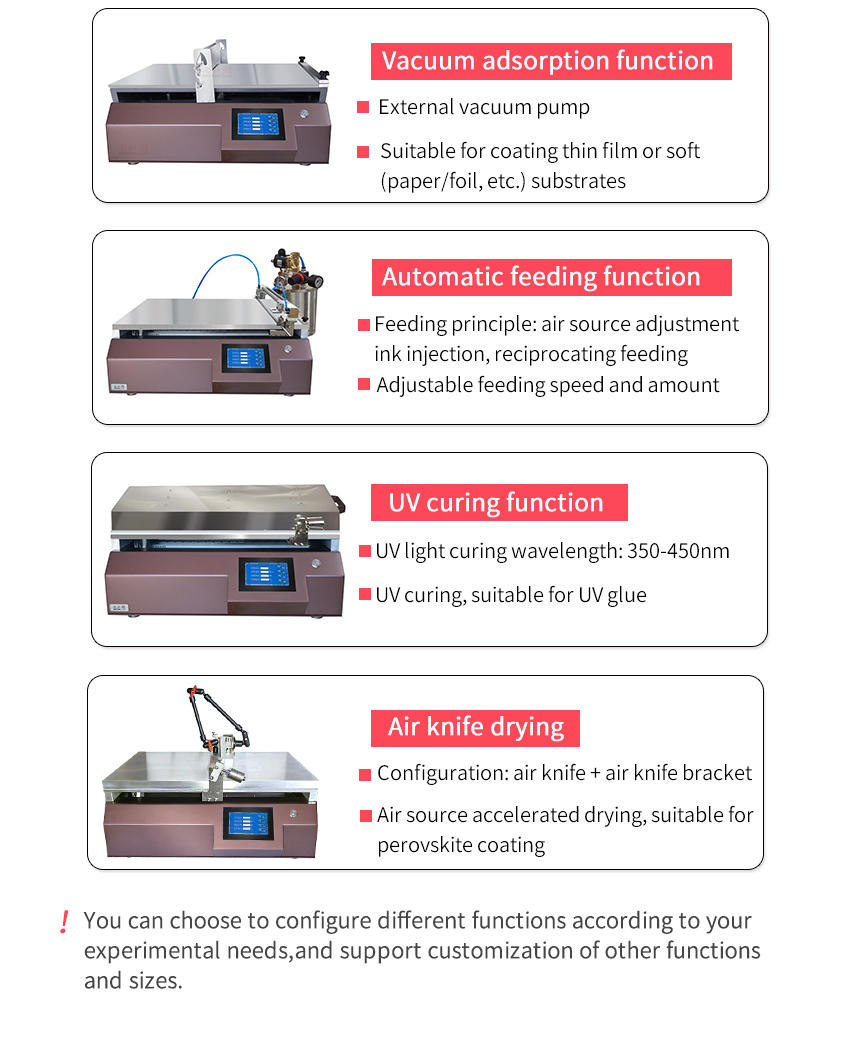
| Wire rod + vacuum type | Thin film substrate, high-precision coating | Determined by wire rod, up to 0.1μm | / | External |
| Scraper+vacuum type | Thin film substrate, large sample particles/high viscosity, and unstable film thickness | ±3μm | / | External |
| Wire rod + scraper + vacuum type | Thin film substrate, large sample particles/high viscosity, and unstable film thickness | The wire rod can reach 0.1μm, and the scraper can reach ±3μm. | / | External |
| Wire rod + scraper + heating + vacuum type | All-purpose model | The wire rod can reach 0.1μm, and the scraper can reach ±3μm. | RT~200℃ | External |
| Wire rod + heating + vacuum type | Thin film substrates, high-precision coatings, and samples need to be heated | Determined by wire rod, up to 0.1μm | RT~200℃ | External |
| Squeegee + heating + vacuum type | Film substrate, sample with large particles/high viscosity, unstable film thickness, sample needs to be heated | ±3μm | RT~200℃ | External |
| Note: The fabric is breathable, so there is no need to choose the vacuum type. For paper that is difficult to flatten, you need to choose the vacuum adsorption type. | ||||
The coating thickness specification selection of imported wire rods is as follows:
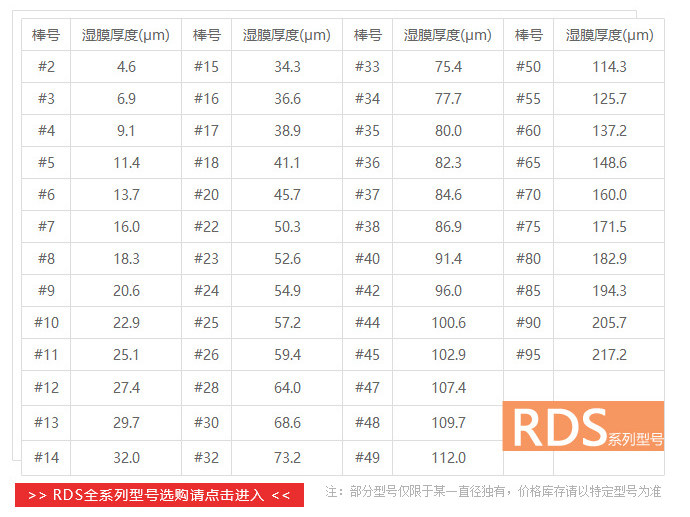
For more coating thickness requirements, please consult the mall customer service.
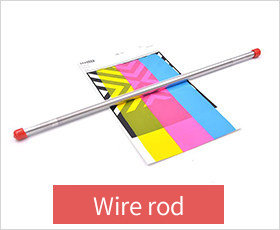
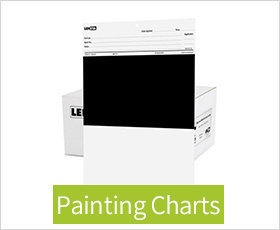
Optional
|
|
|
- 1Application and Development Trend of Plasticizers in Coating Industry
- 2Analysis and application of self-adhesive laboratory coater technology
- 3Technical Principle and Advantage of Preparation of Oxidation Wax by Doctor blade Spreader
- 4Comparison and Difference Between Offset Press and Film Applicator
- 5Experimental Study on Spreader Lithium Ion Separator on PP Material for Doctor blade coater