Test method for evaluating adhesion by tape test
Tape testing is a common method used to evaluate the adhesion of coated films to substrates. It involves applying a piece of tape to a coated surface and then quickly removing it to assess the amount of coating the tape has shed. The following are the basic steps for conducting a tape adhesion test:
Make sure the coating has had enough time to dry or cure according to the manufacturer's instructions. Clean the coating surface to remove any contaminants such as dust, dirt or grease that may affect the adhesion test results.
Choose the appropriate tape for the type of coating and substrate being tested. Common tapes used for adhesion testing include duct tape, cellophane tape, or specialized adhesion testing tapes such as those conforming to ASTM D3359 or ISO 2409.
Cut a suitable length of tape and press firmly against the coated surface. Press down on the tape with a roller or your fingers to make sure it adheres well to the coating.
After applying the tape, pull it off the coated surface in a quick, firm motion at a 90-degree angle, parallel to the surface. Avoid pulling the tape slowly or at an angle, as this may affect the test results.
Check the coating and tape for any coating that came off with the tape. Assess the extent of coating removal, such as the percentage of area of coating peeled off or the size and number of coating flakes or chips on the tape.
Compare the results to a standardized rating scale, such as the ASTM D3359 or ISO 2409 Adhesion Rating Scale, to determine the adhesion performance of the coating. Rating scales typically range from 0 to 5, with higher numbers indicating better adhesion, with 0 indicating complete coating failure and 5 indicating excellent adhesion.
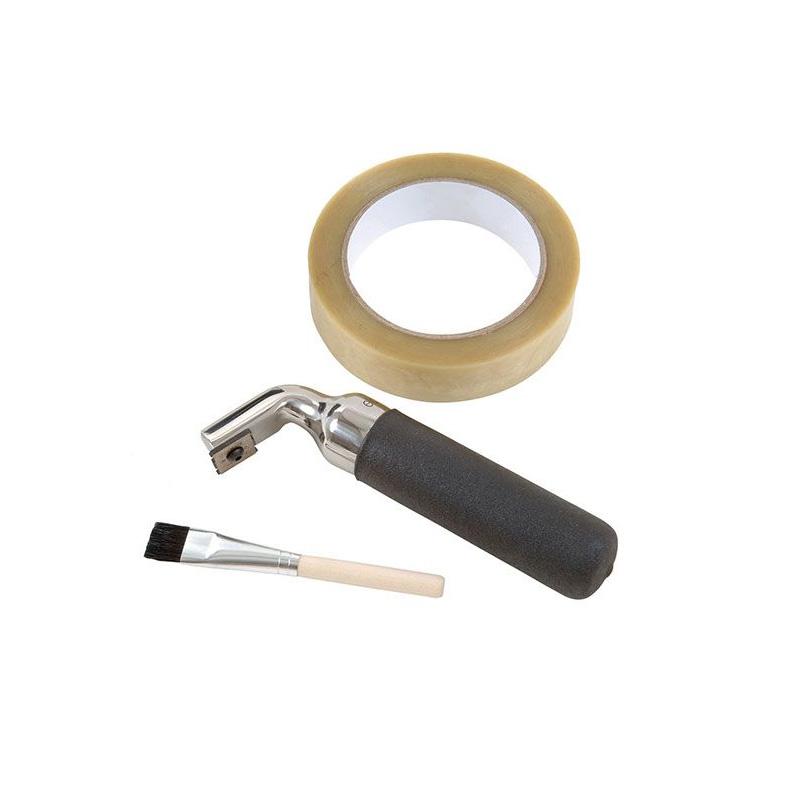
Tape adhesion testing is a common method for evaluating the adhesion of coated films to substrates. By following standardized procedures, interpreting results accurately, and taking appropriate action based on findings, tape adhesion testing can provide valuable information about coating performance and help ensure that the coating adheres properly to the substrate for better results. durability and performance.
- 1Film adhesion detection method and its applicability analysis
- 2Purpose, method, principle and operation points of coating adhesion test
- 3Working principle and application of UV coating Cupping testing device
- 4Principle and Application Analysis of Film Adhesion Tester
- 5Optical inspection device Anti-reflection film adhesion Measuring method
- 6Automatic scratch test to evaluate film strength, hardness, adhesion
- 7Comparison of film adhesion determination methods
- 8Determination of film adhesion
- 9Paint film adhesion and test method thereof